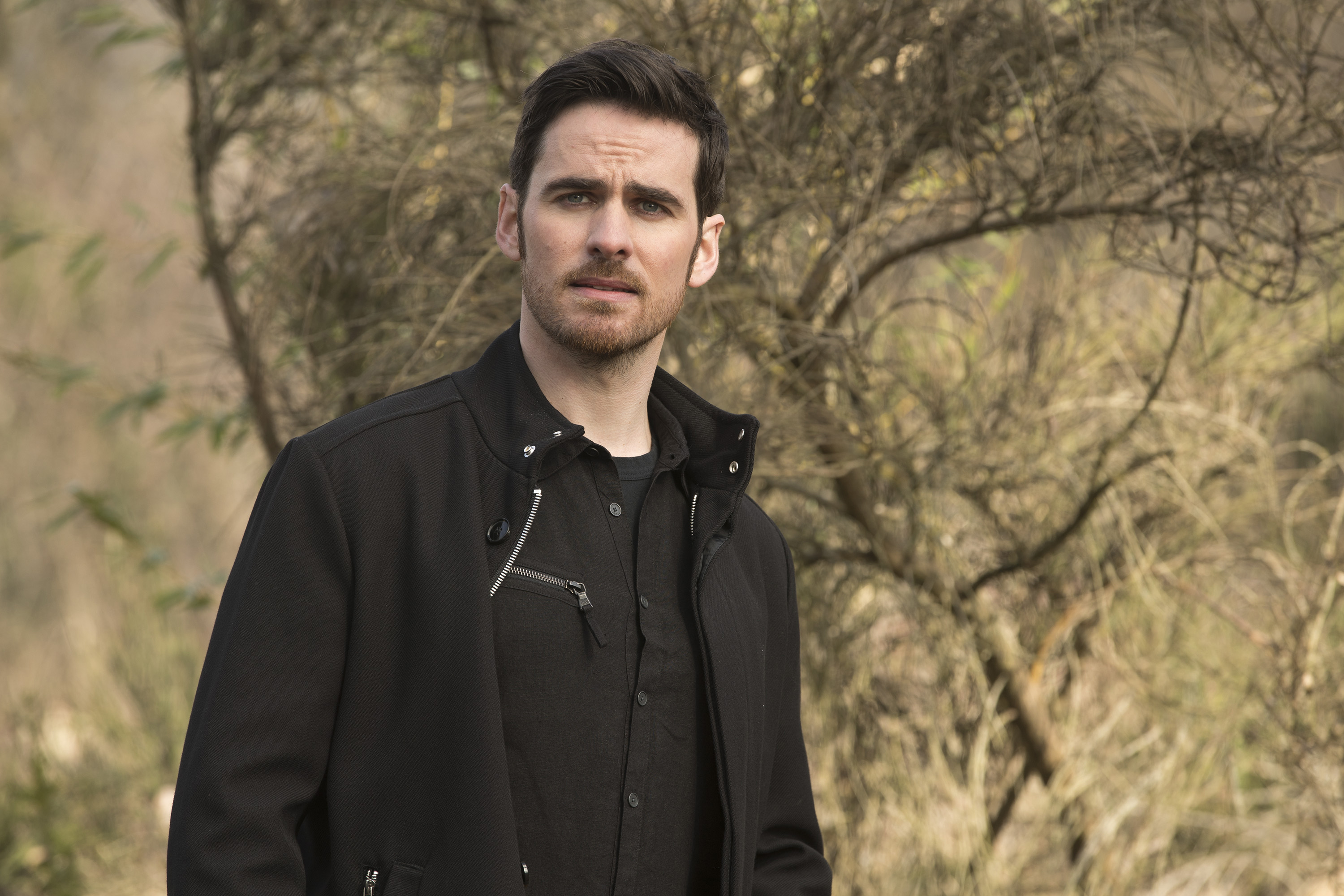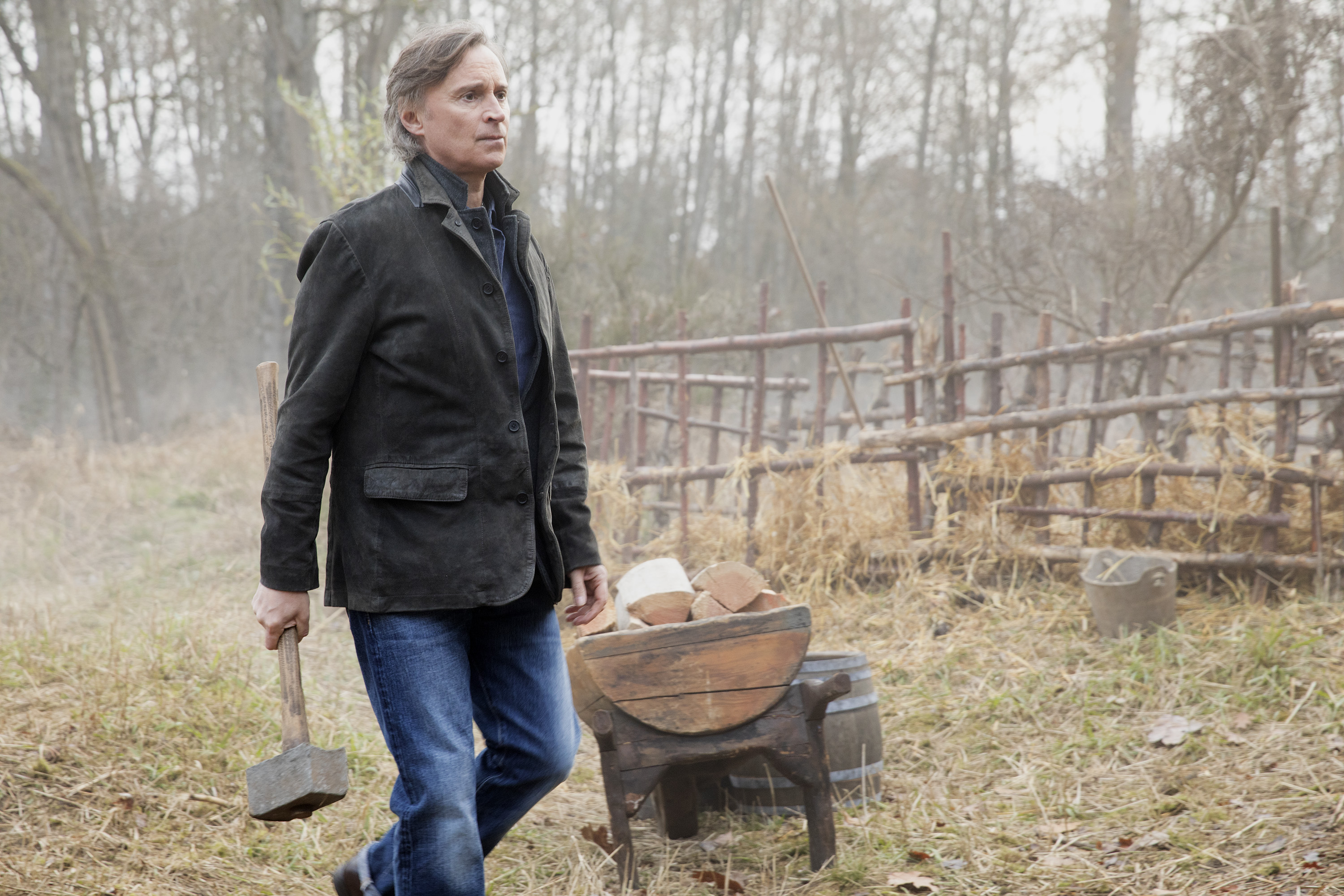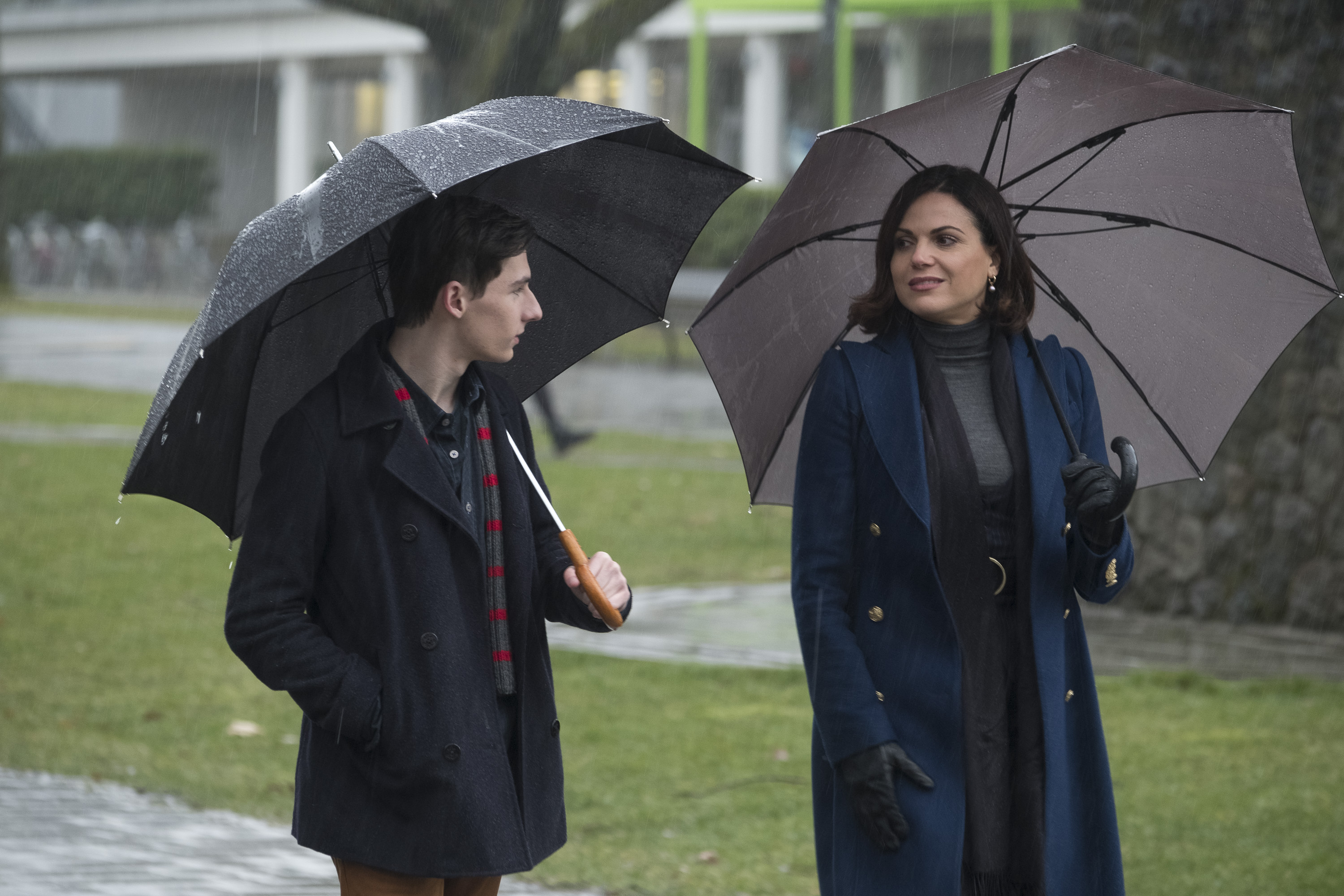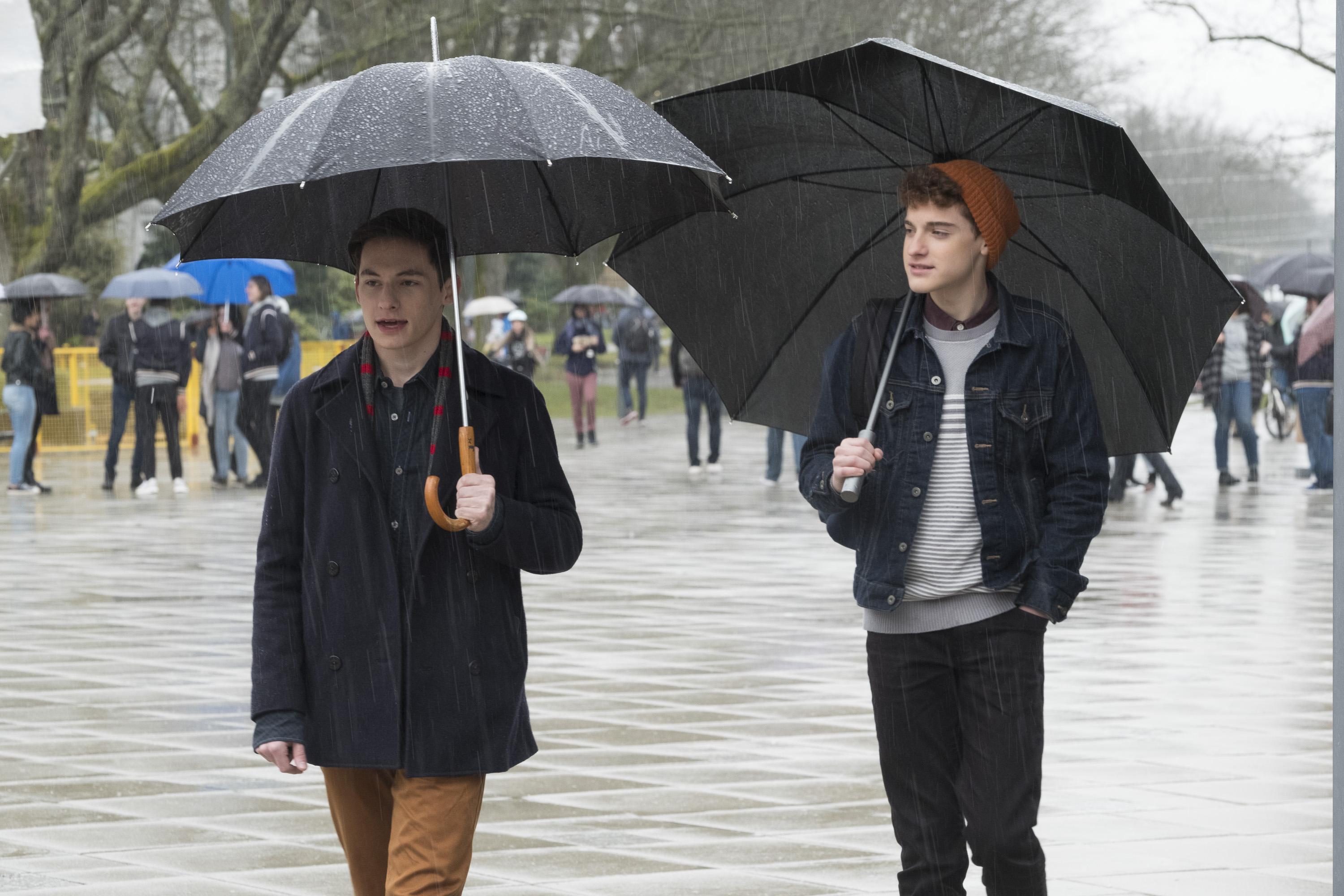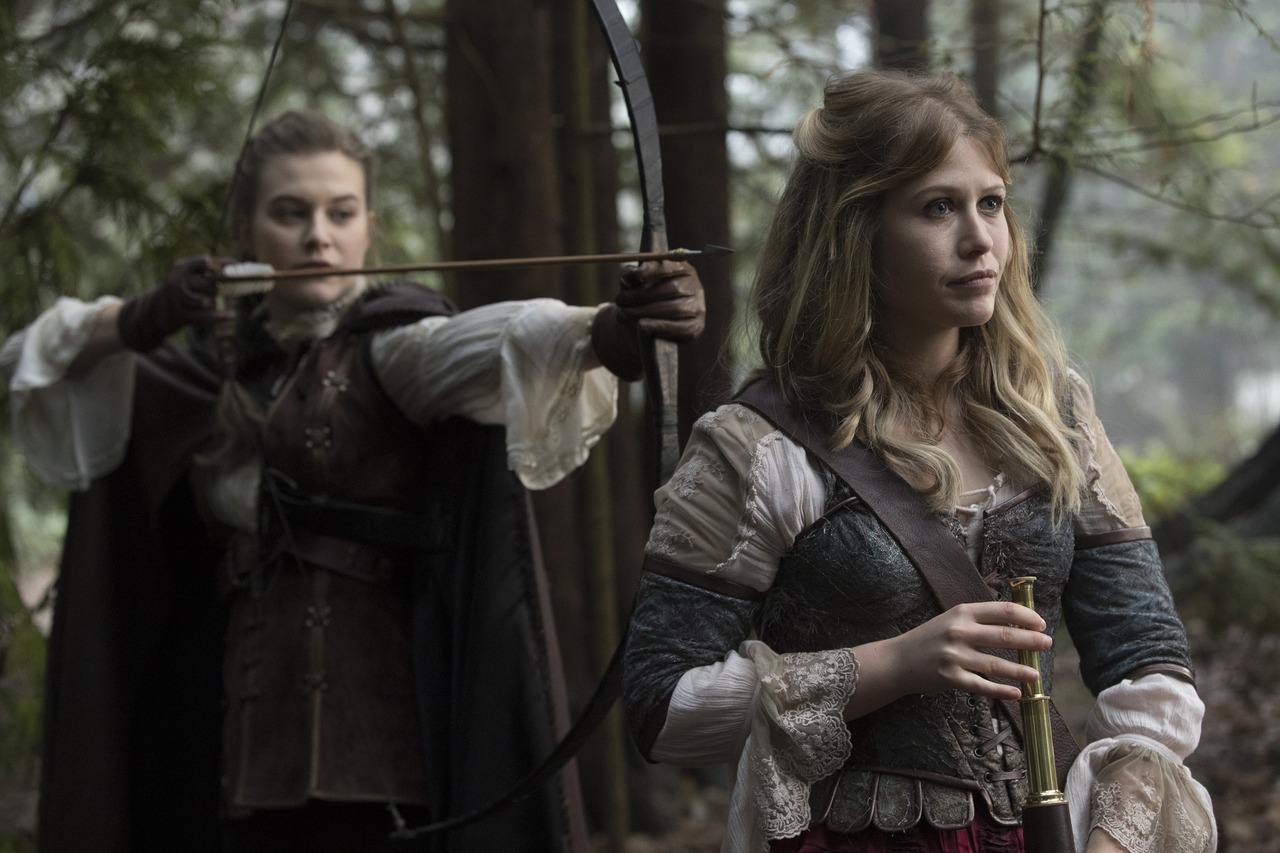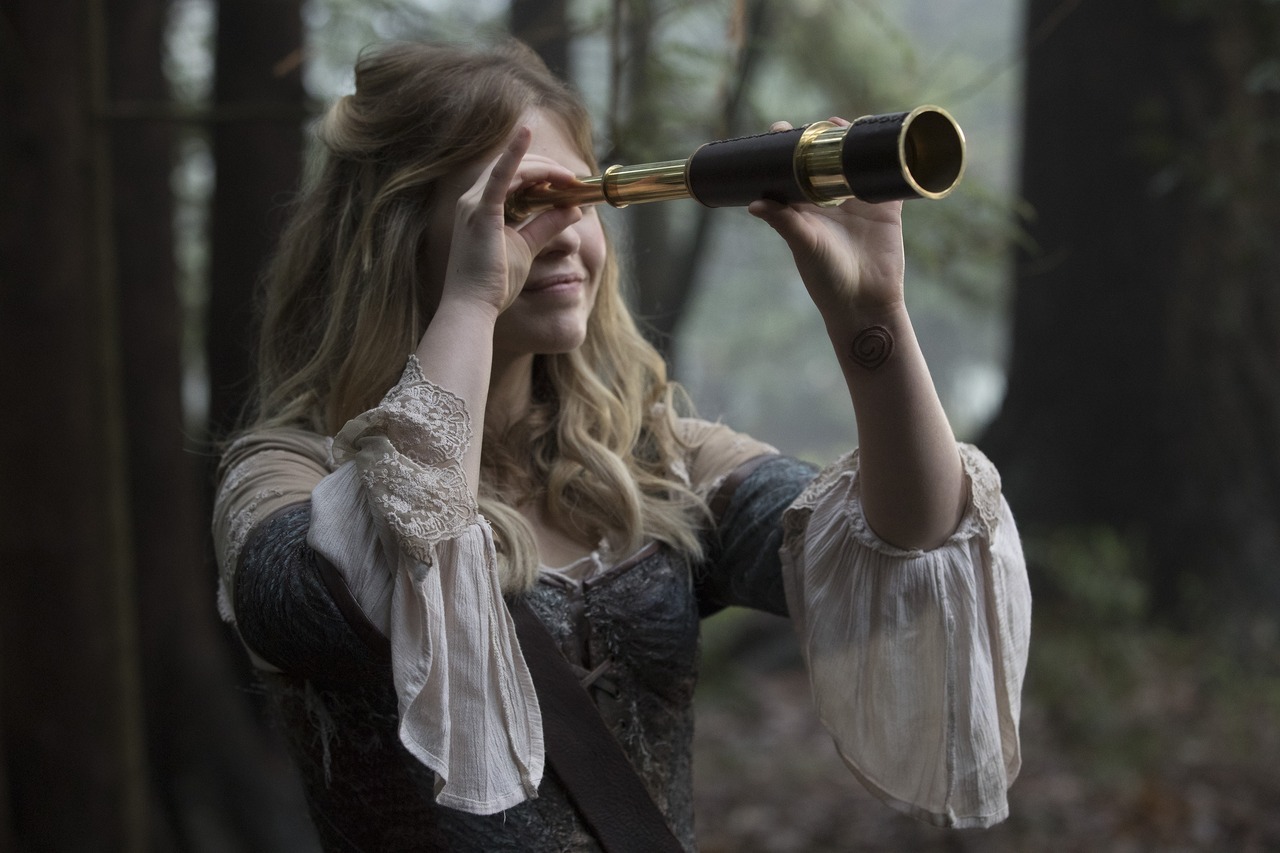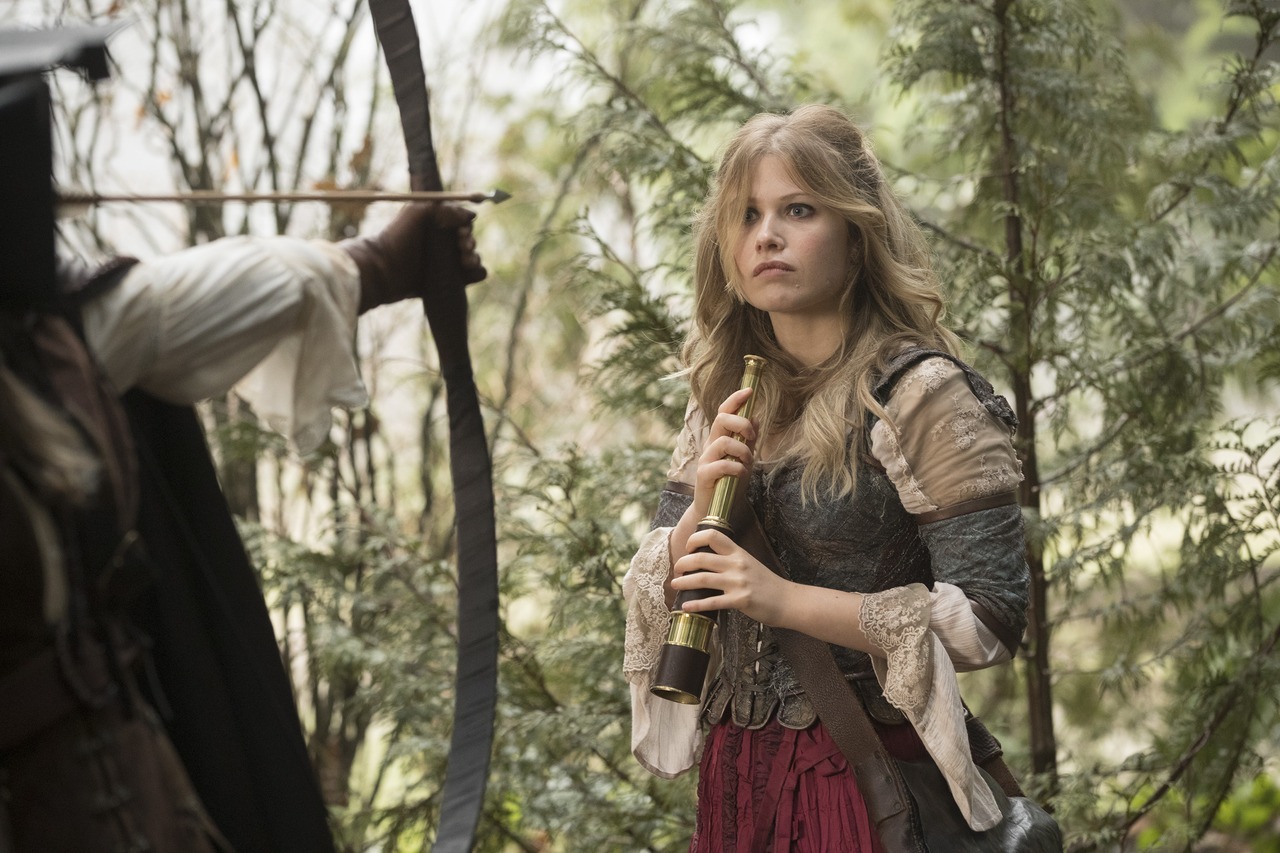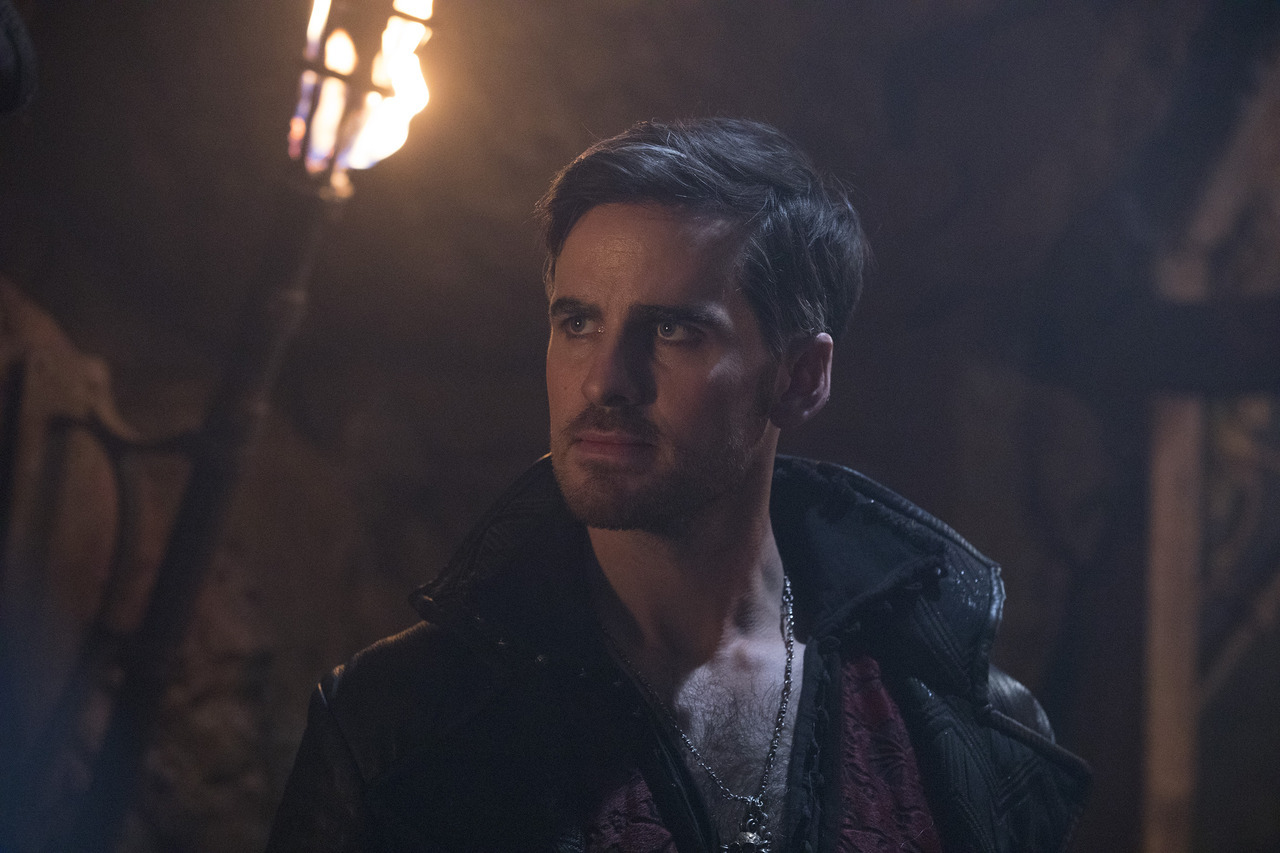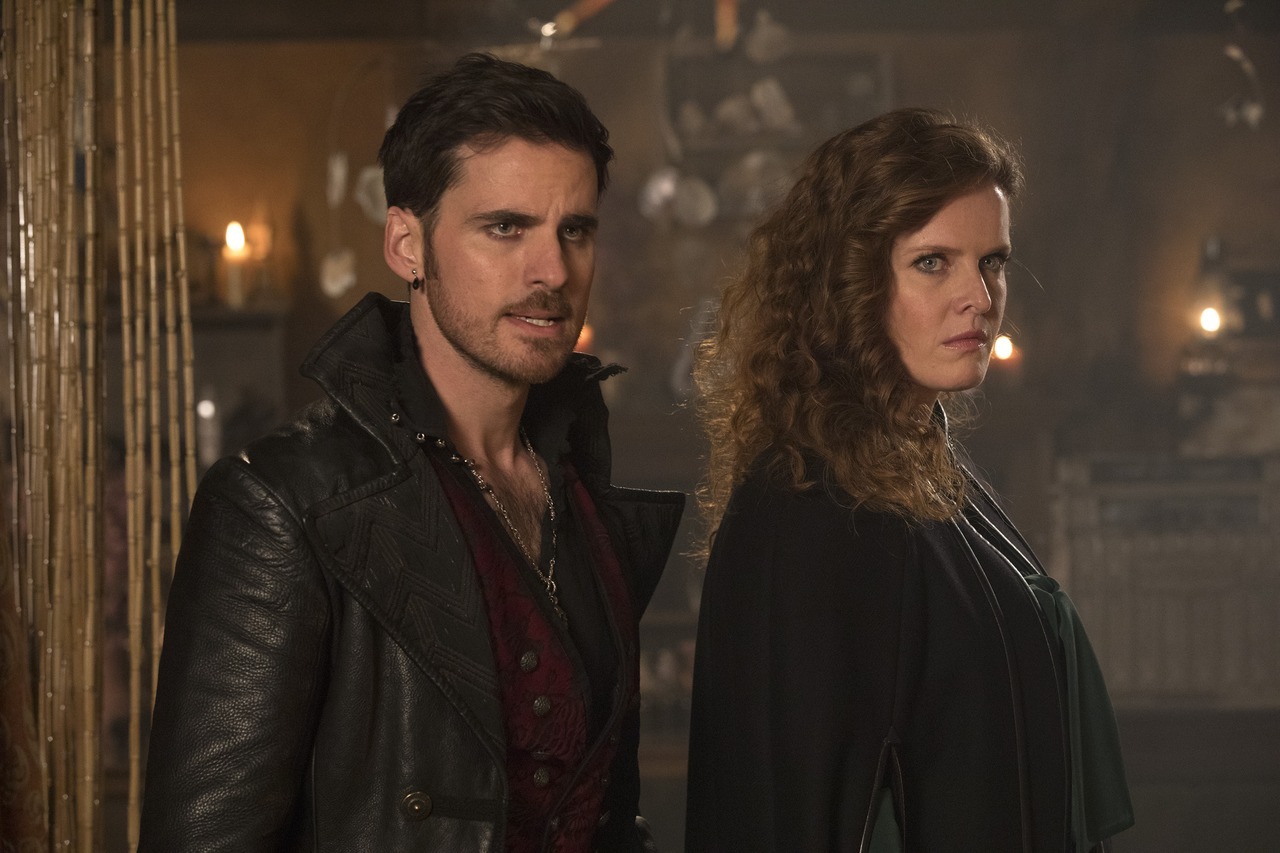
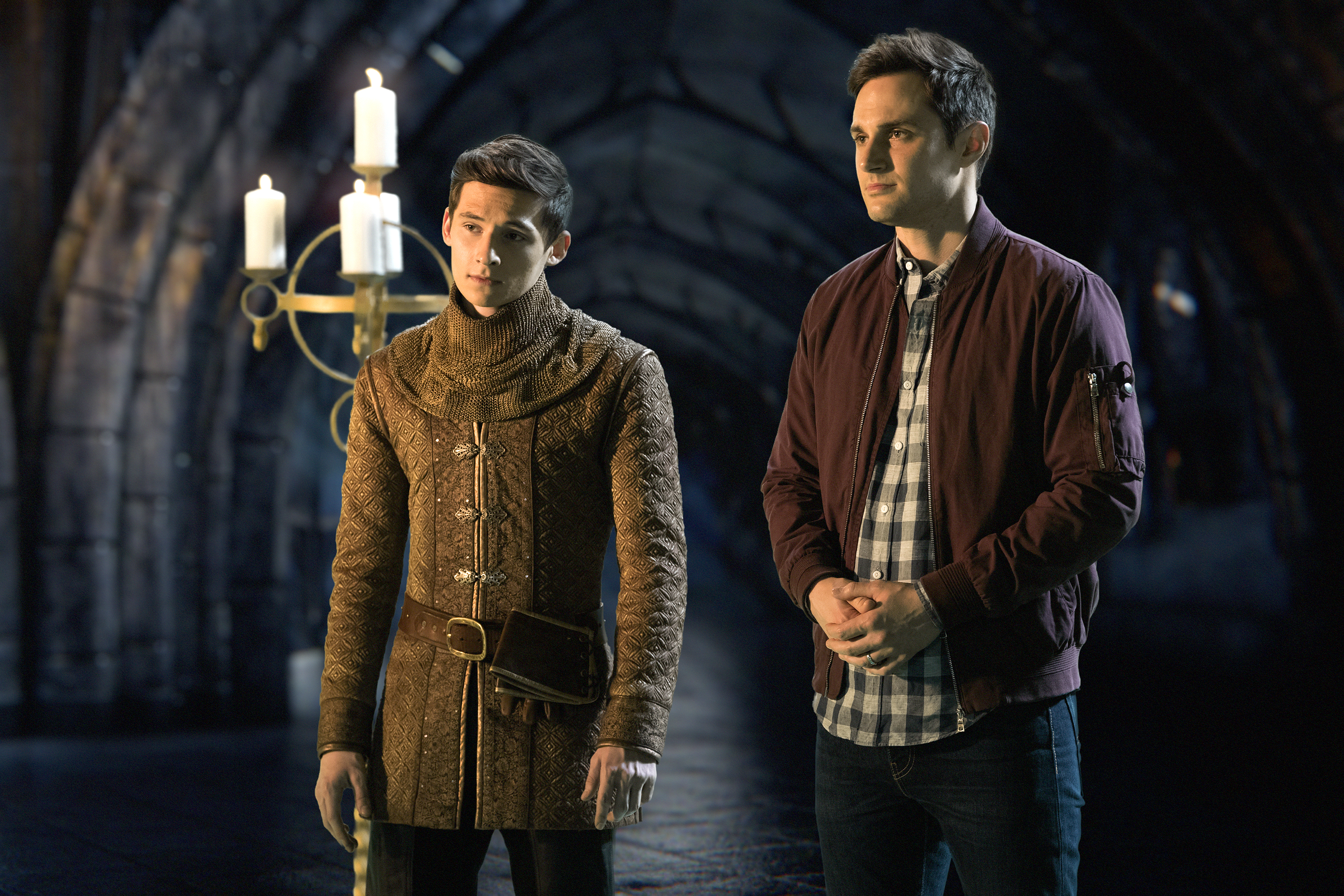
Showing posts with label Once Upon A Time. Show all posts

Saturday, May 19, 2018

In Which I Review Once Upon a Time (7x22)

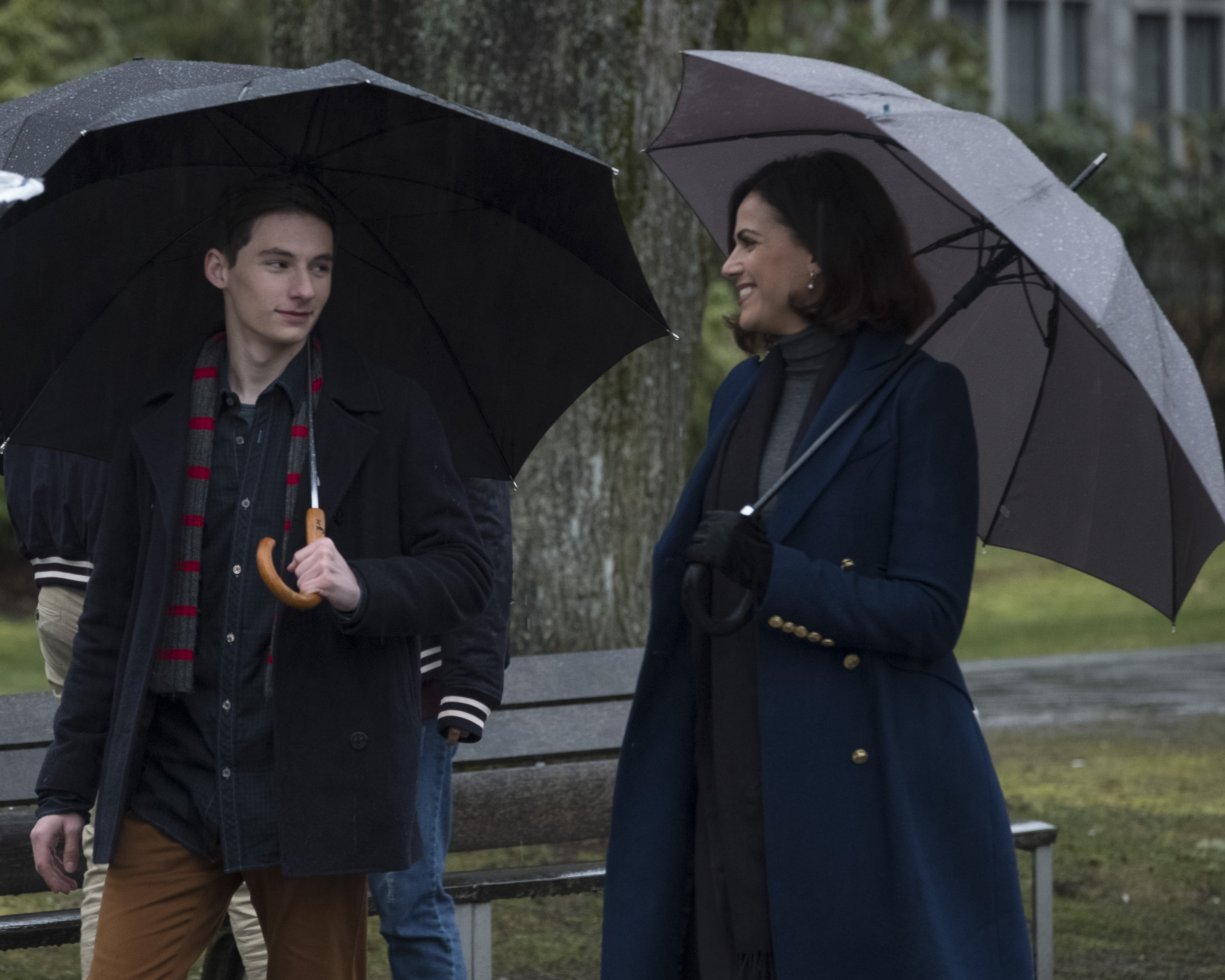
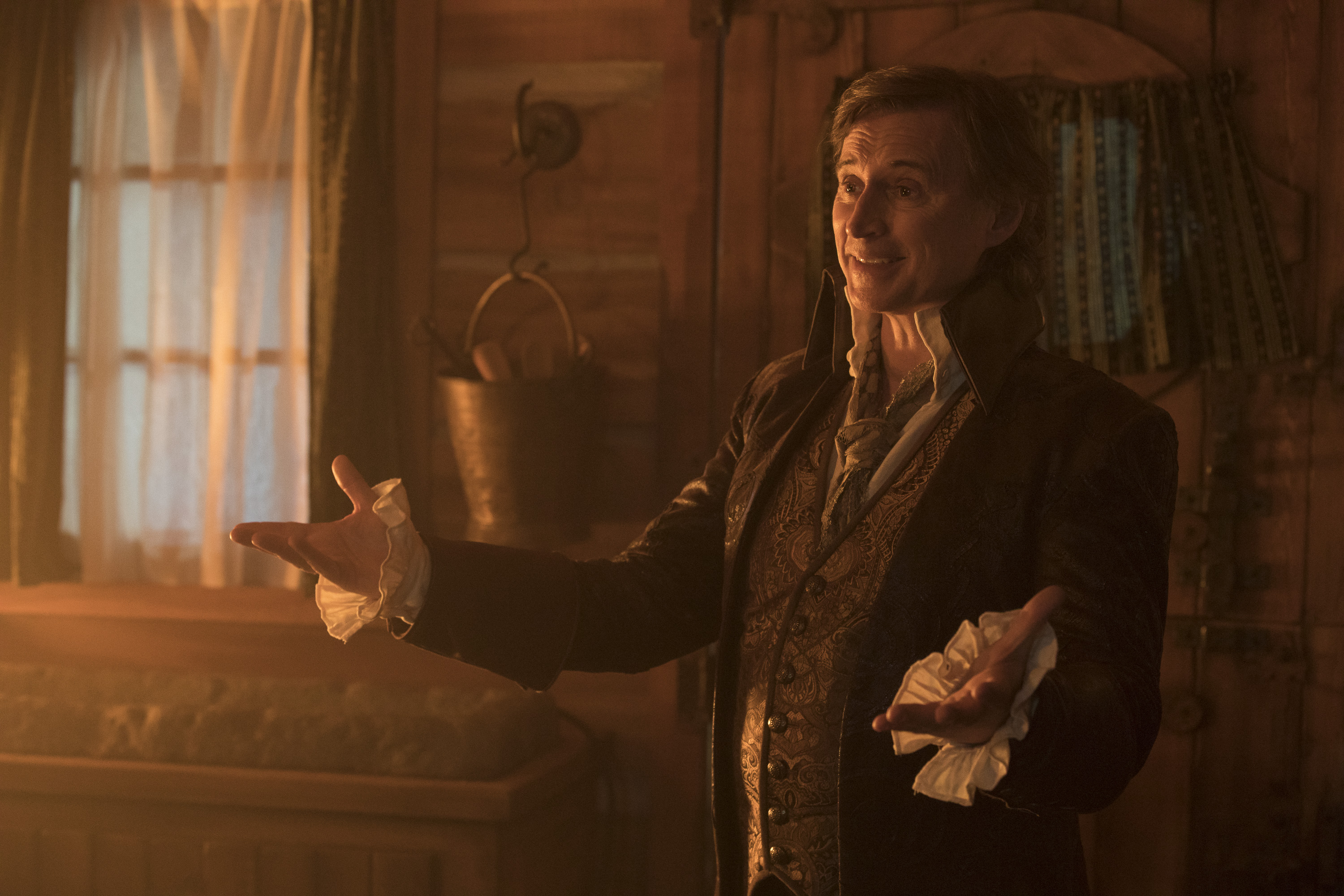
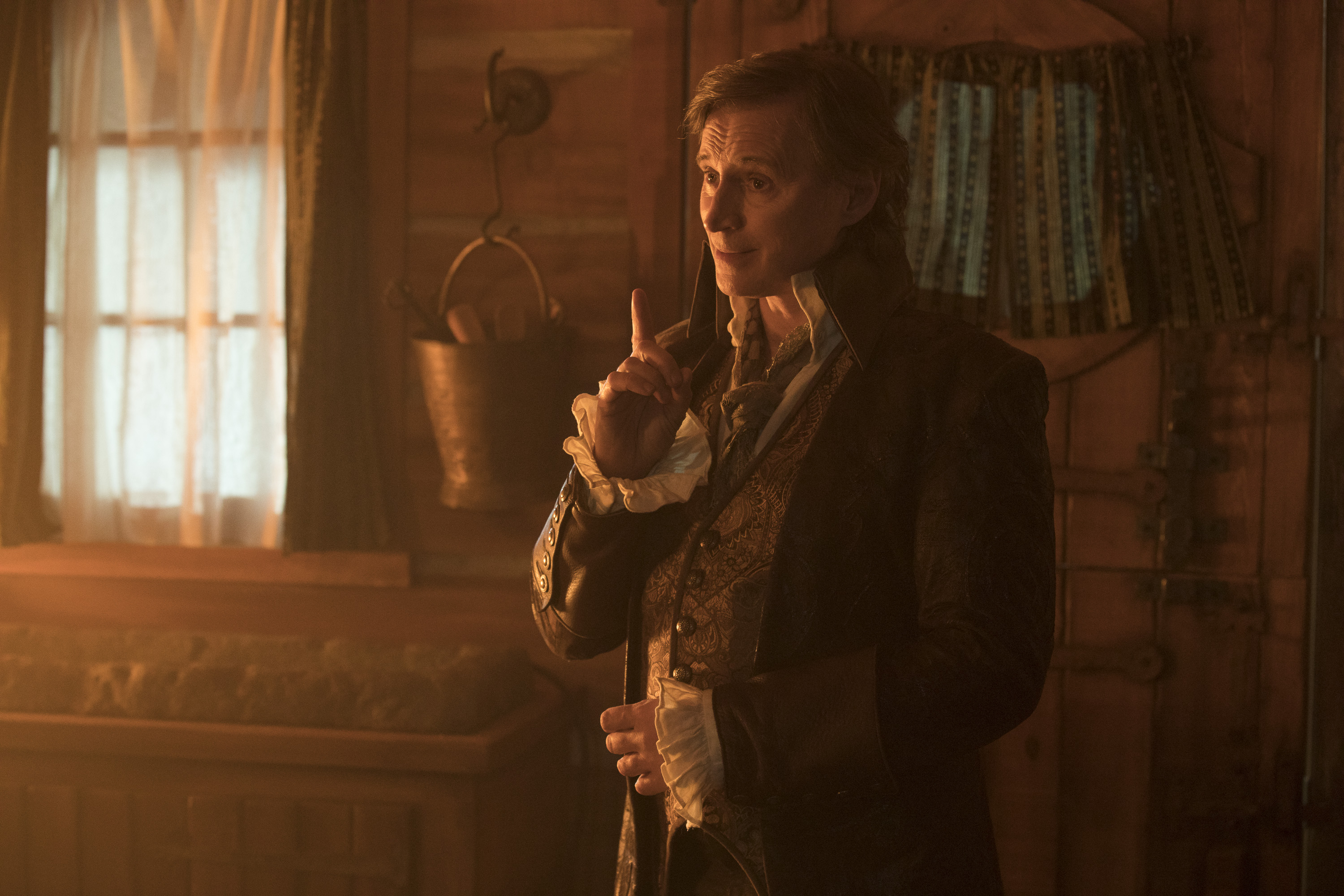
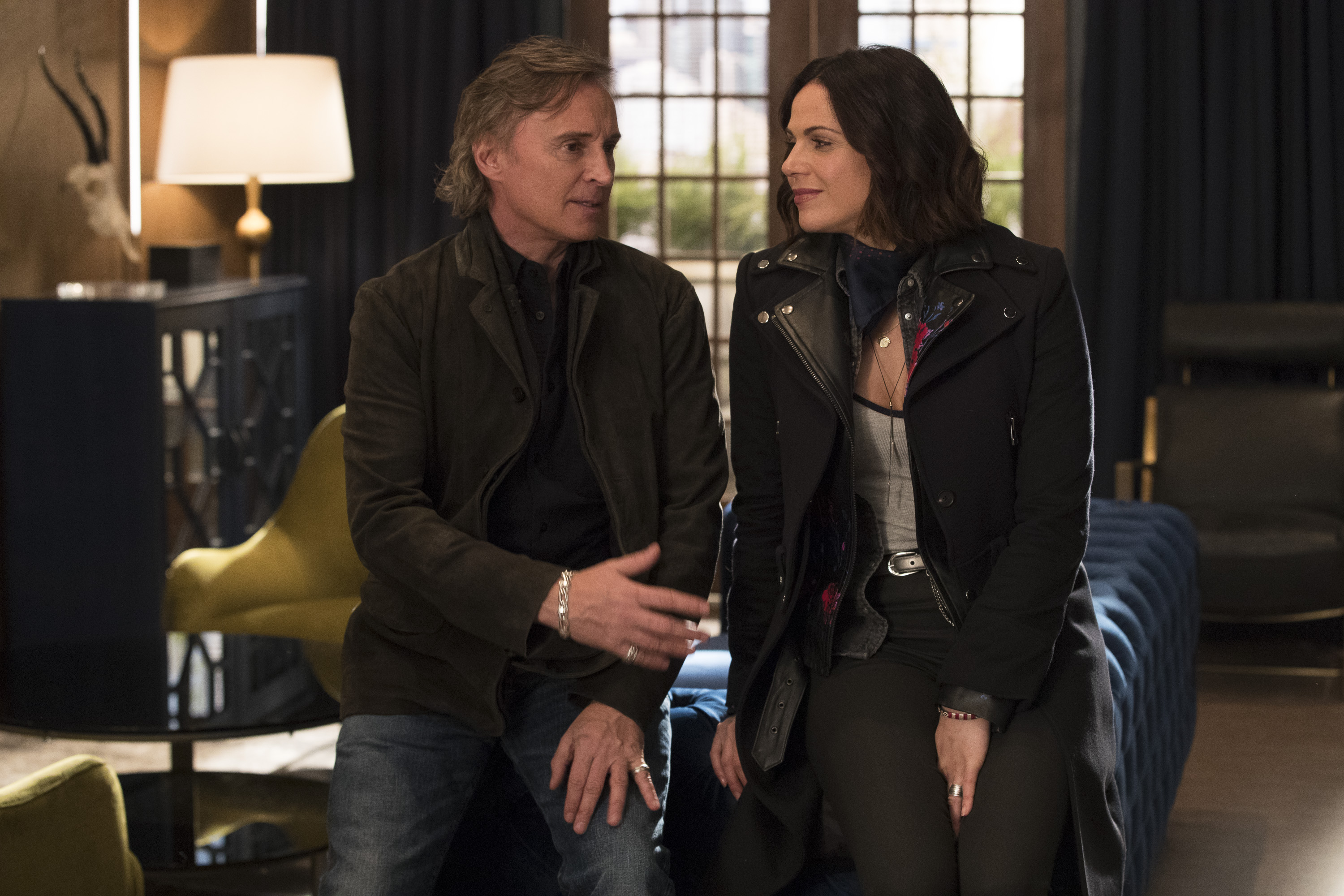
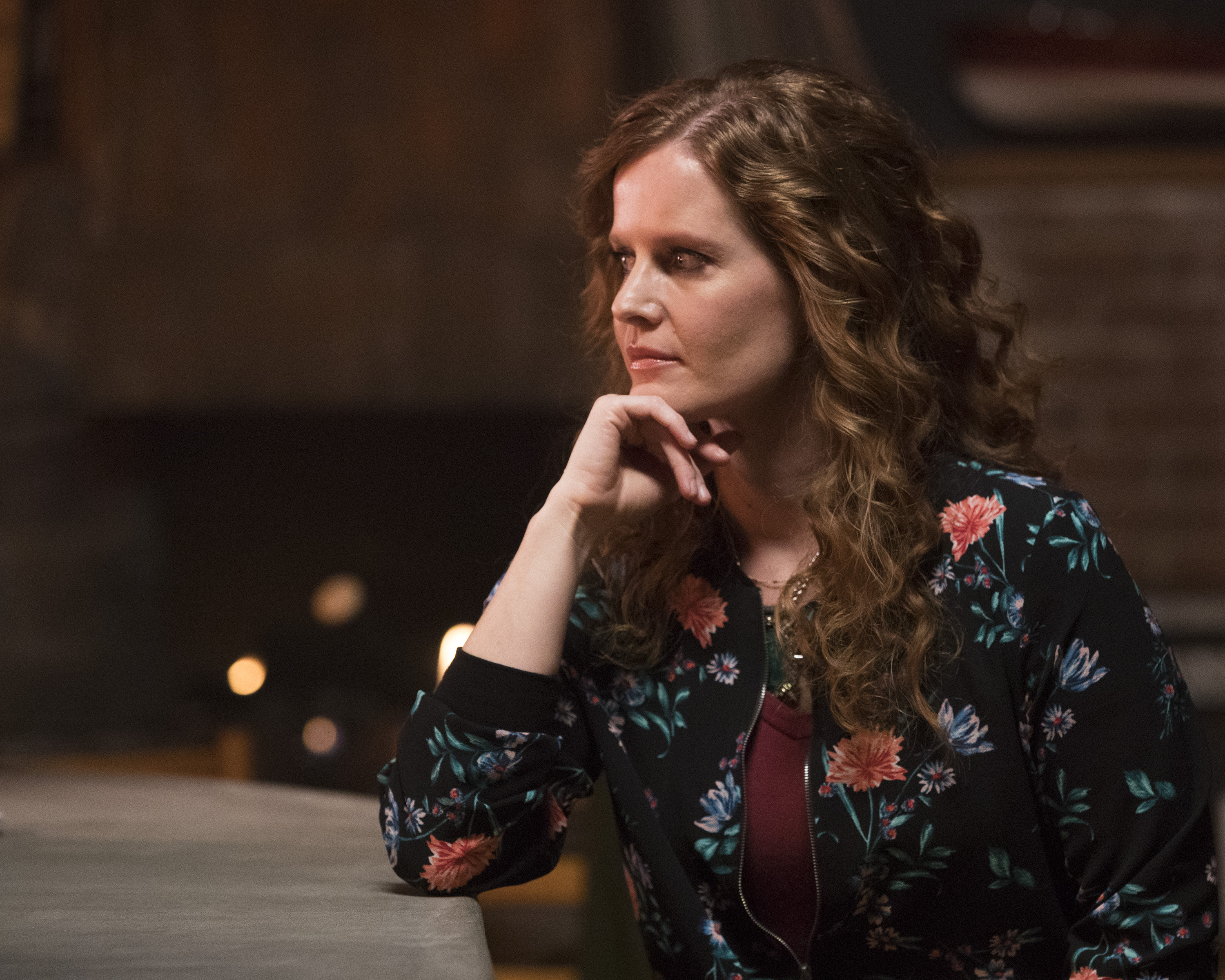
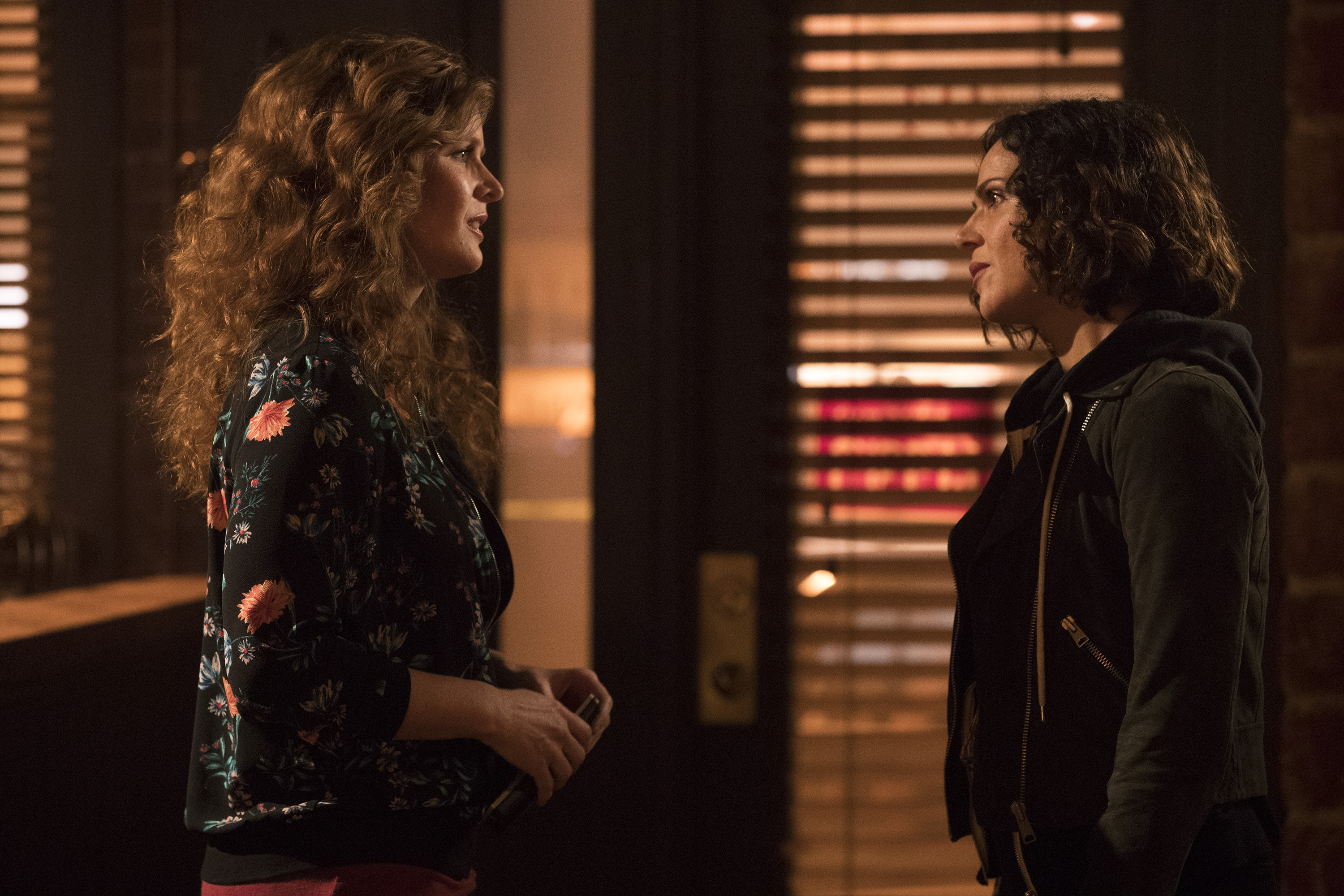
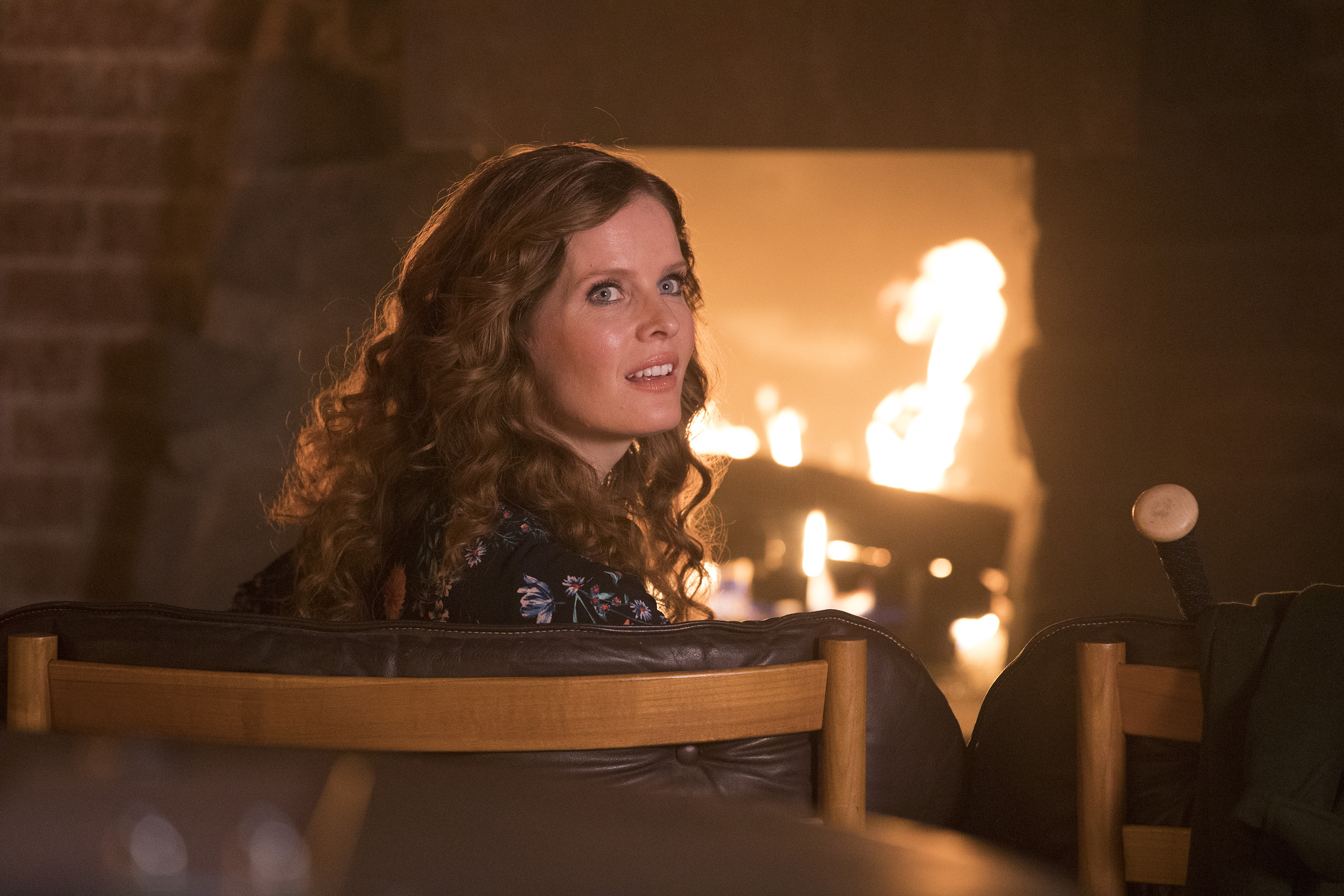
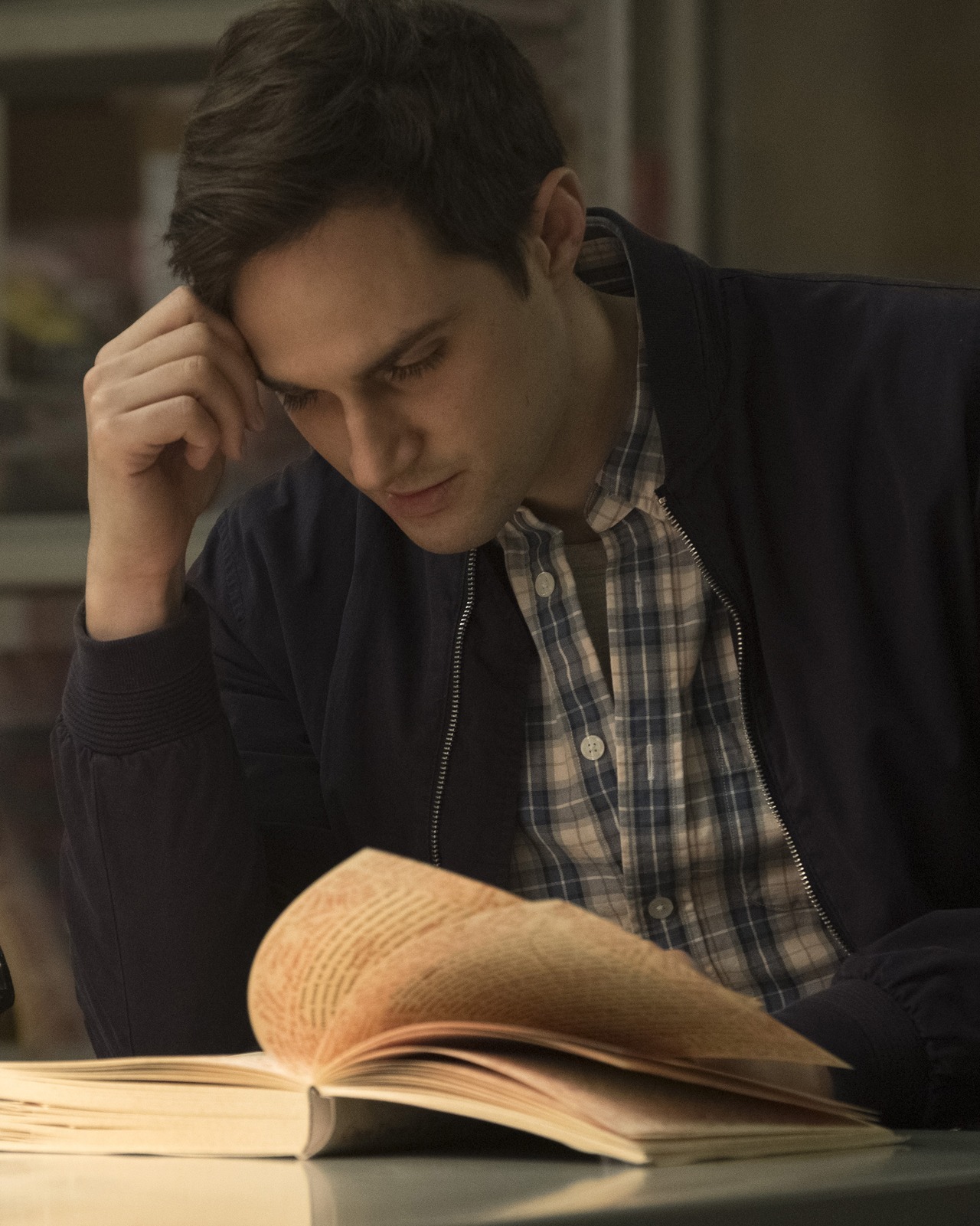
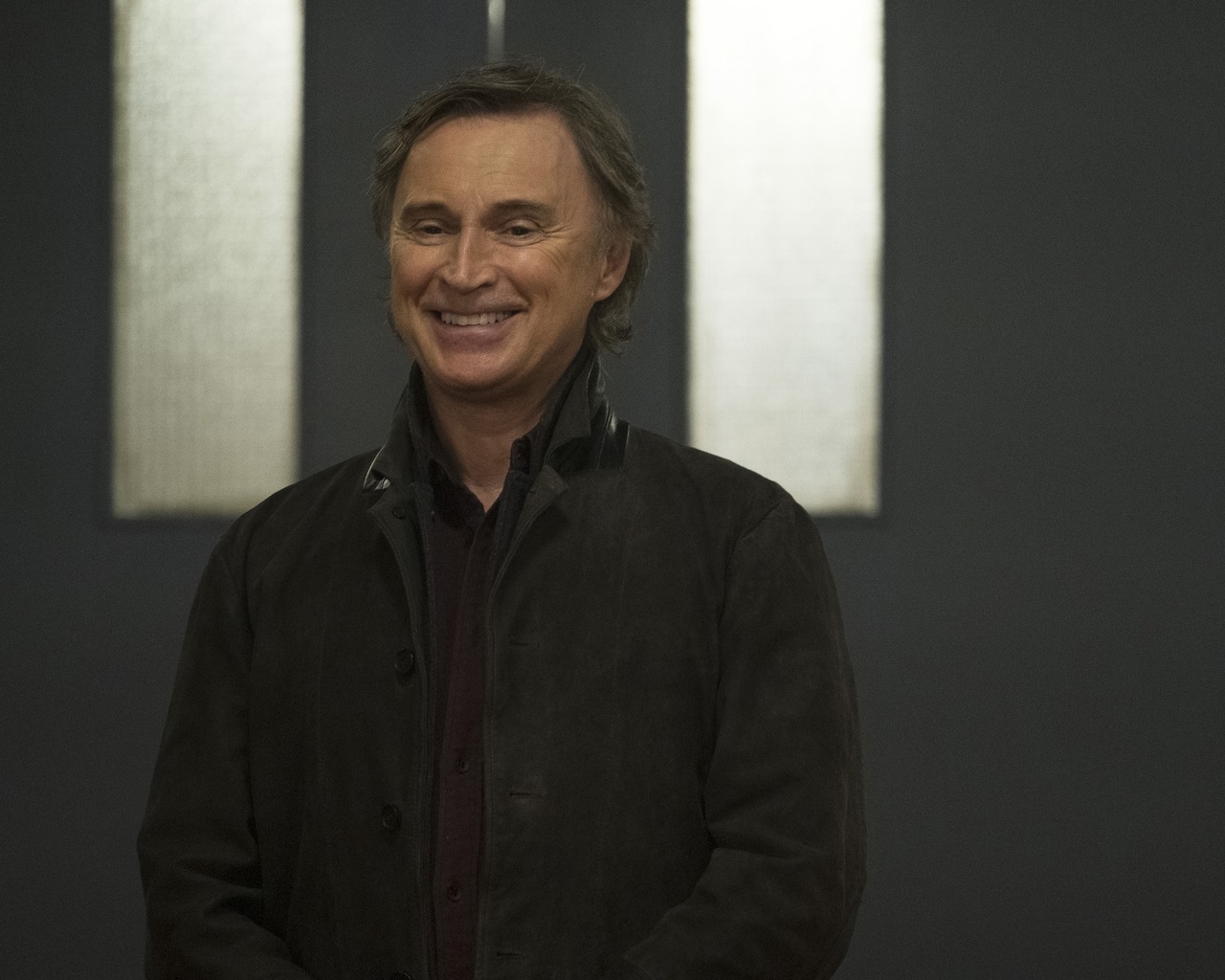
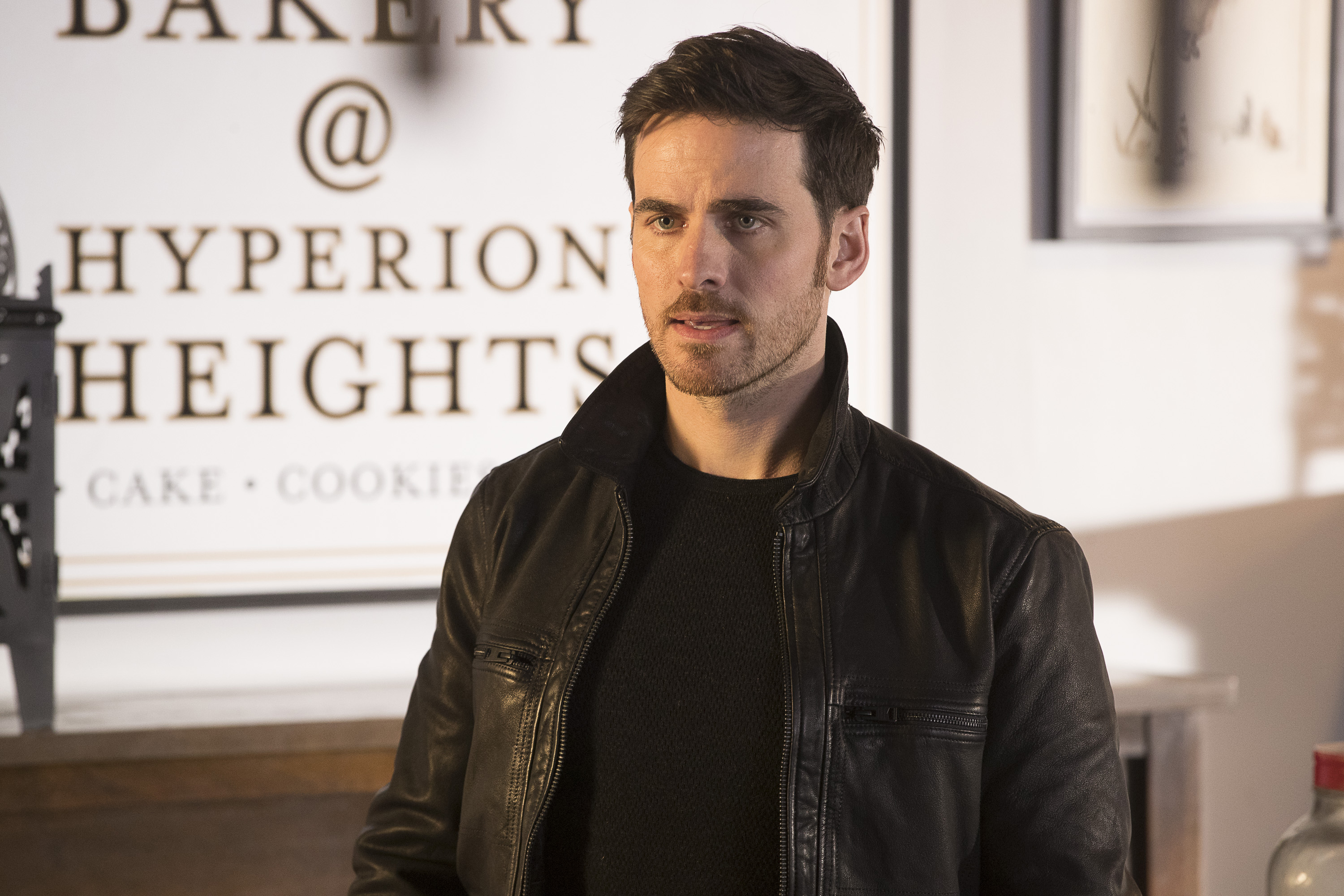
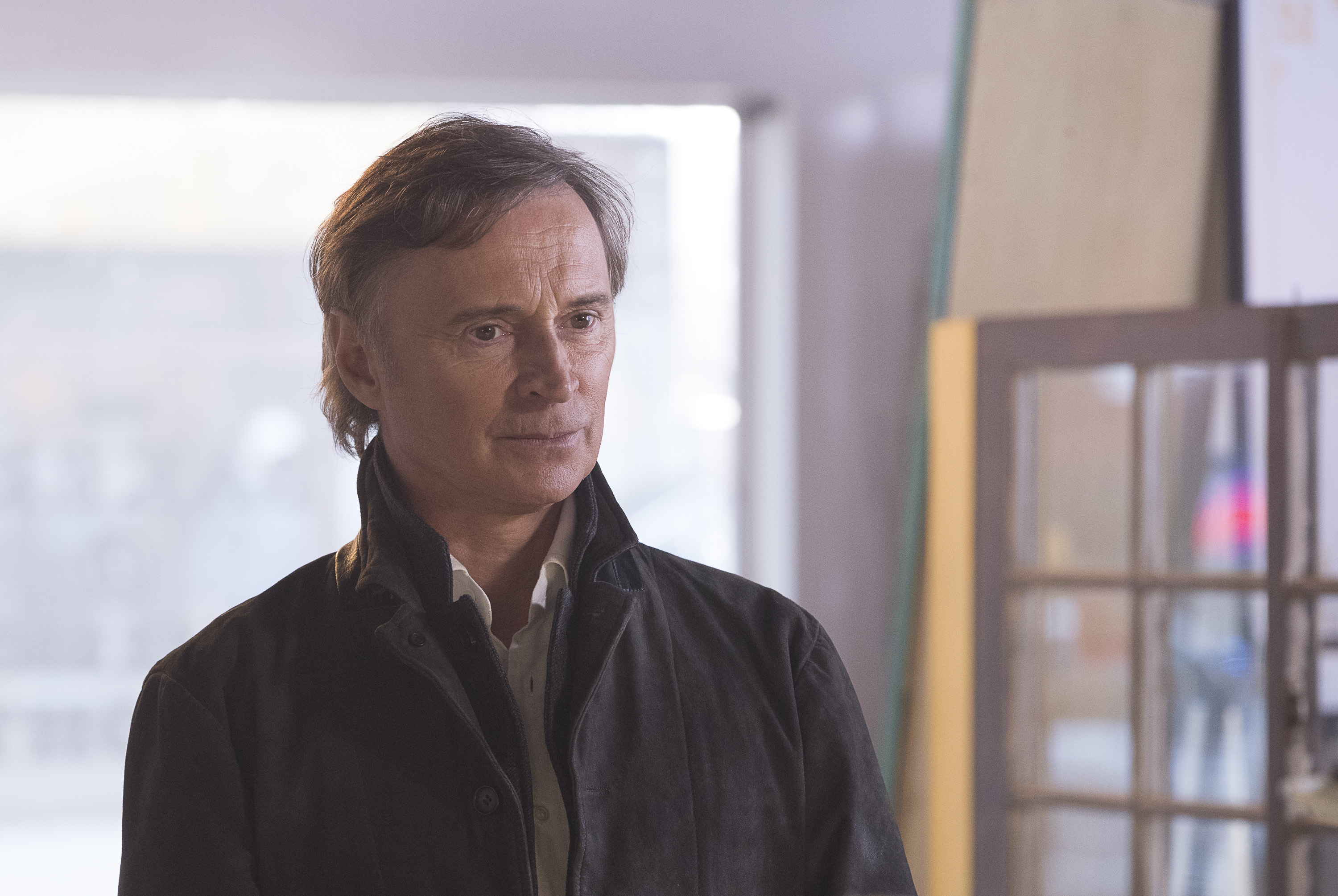
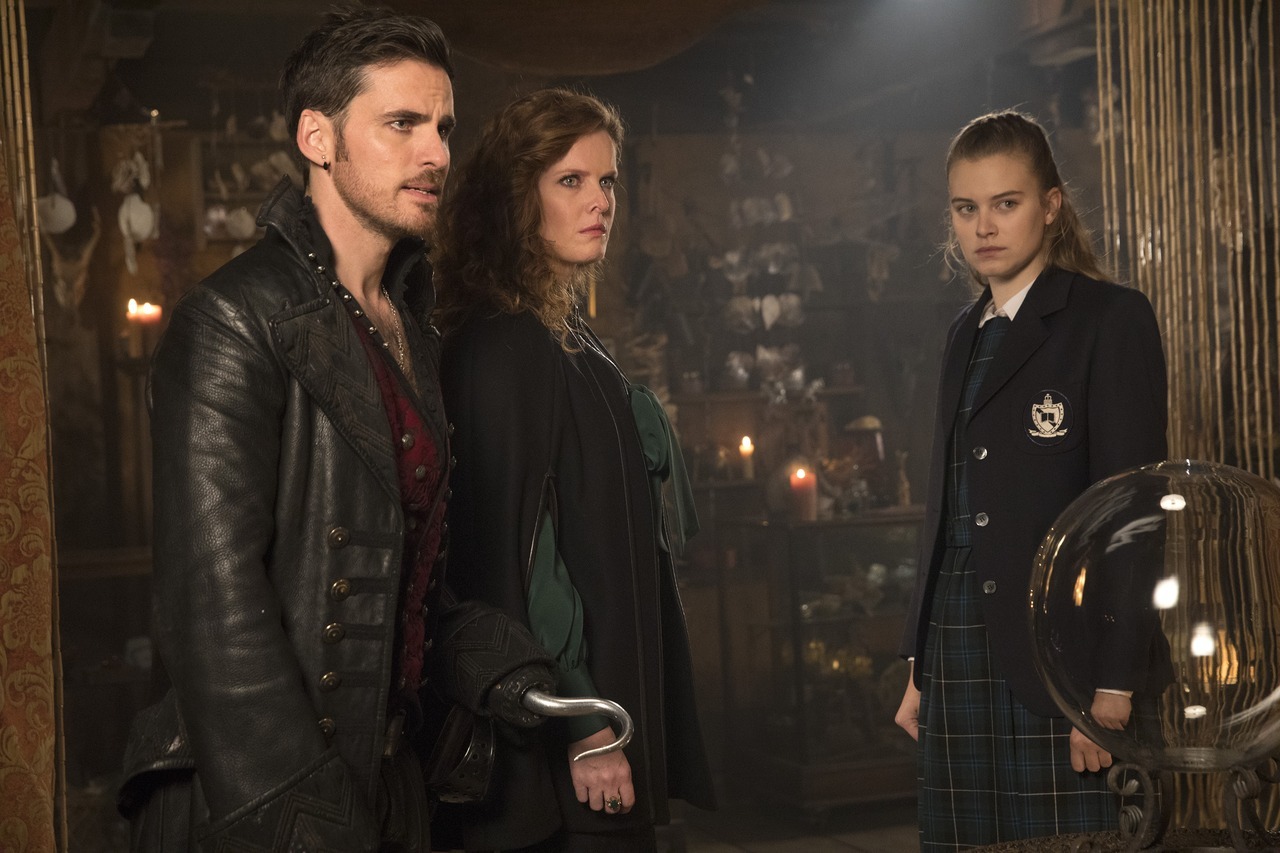
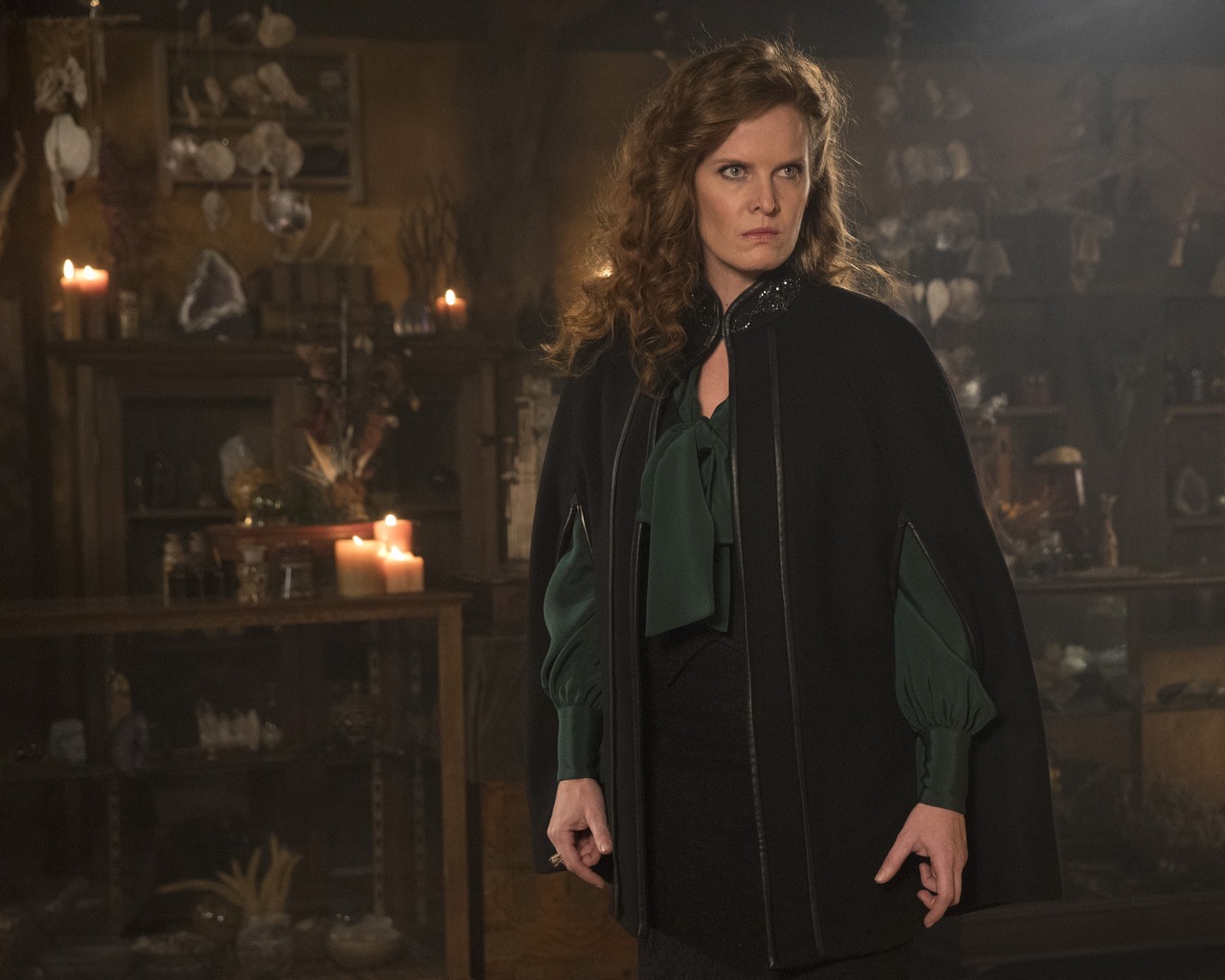
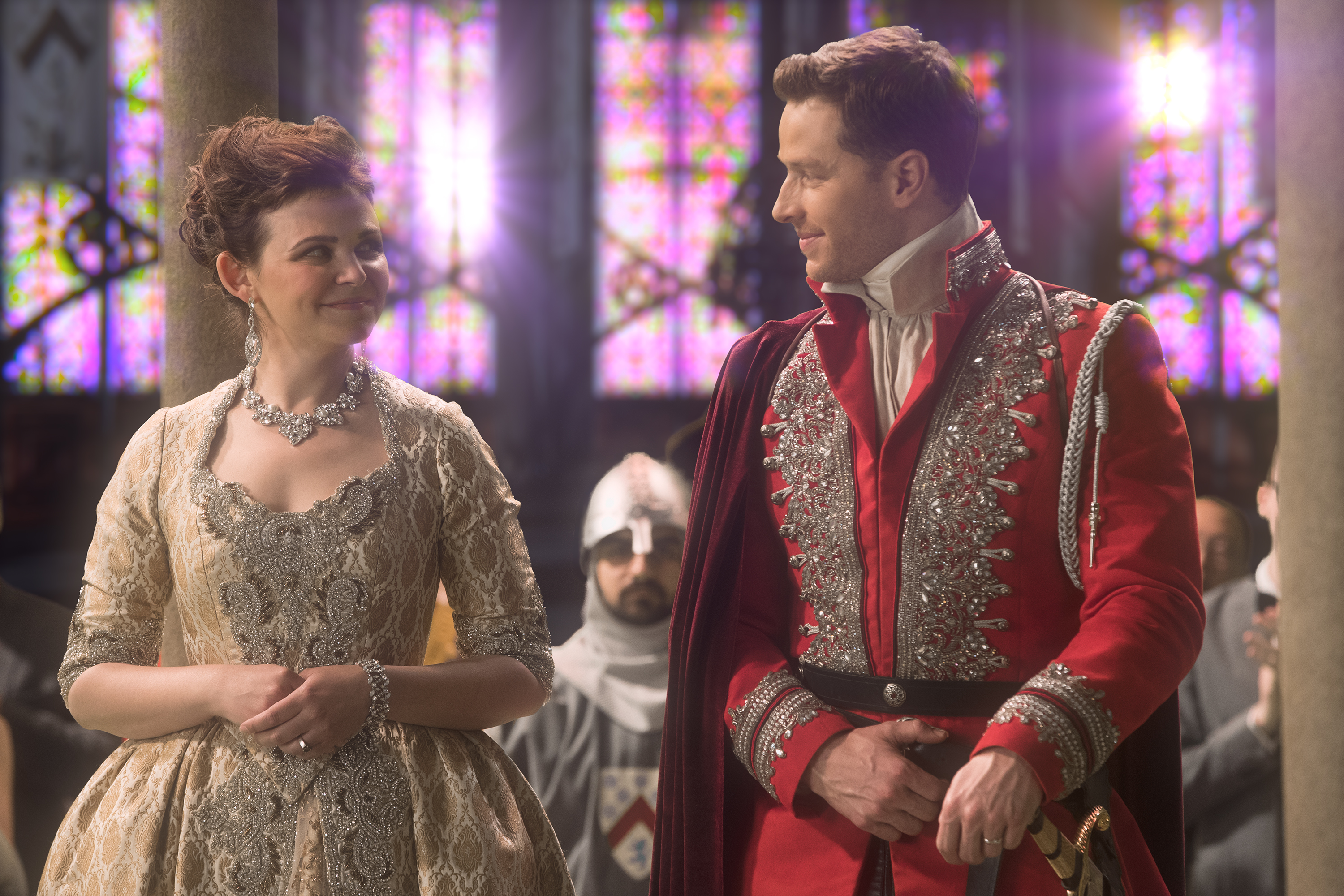
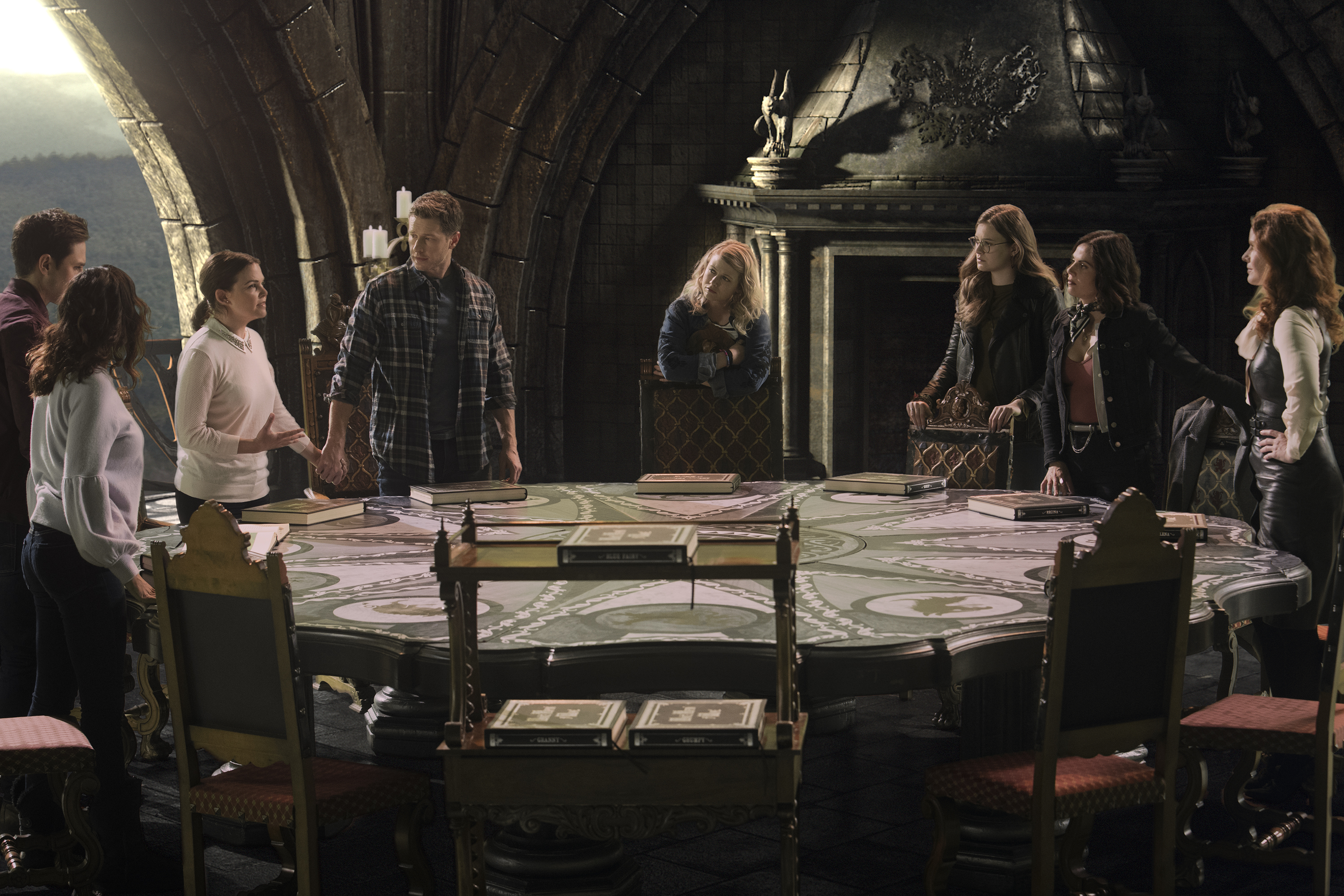
All week long, I have tried to come up with the perfect opening sentence for this blog. This is not just any standard entry; this is the last blog post I'll ever write about Once Upon a Time. Of my three hundred and seventy plus ruminations, the vast majority of them are Once Upon a Time reviews. They range from the ecstatic, head over heels in love reviews of the first half of season three to the blatant hatred and criticism of season five. They capture the highs of awe and lows of heartbreak. I wrote about the Captain Swan wedding and I wrote about Neal's death. I've hated Hook, loved Rumbelle, praised Regina and had complicated feelings over Rumple. But this entry...this entry is the final word I'll ever say about a show that has been a major part of my life for seven years. TV shows are complicated creatures in and of themselves; sure, on the one hand it's just a piece of media that airs once a week for an hour at a time. None of the characters are real and none of the plots are going to change the world. But on the other hand, if you spend enough time with a TV show it can feel like a close friend. You come to know the people who exist in this fictional world and whatever they go through, you go through. It's a move from sympathy to empathy, and a successful show is one that maintains that empathetic relationship with its audience. When looking at the photos for this episode, trying to decide which one would get the spot of honor for this introduction, I went with Snow White and her Prince Charming because that's what I want to remember from all this: I'd like to remember those ecstatic highs of a show I threw myself into, heart and soul. So, then "Leaving Storybrooke." Once more with feeling. 


The Last Page...

Let's just agree here and now that most of this plot is nonsense (what, you thought this post would be nothing but sappy nostalgia?) The Wish Realm and the mechanics of it have never made a lick of sense and the writers did what they do "best": spaghetti writing. Throw ideas at a wall and whatever sticks becomes your plot. I've heard several times that if you let go of the plot of OUAT and just focus on the acting, the campiness, and the themes then it becomes a much better (or at least more palatable) show. I say let's try that and agree, as stated above, that the plot of Young Wish Henry using dark magic to open thousands of portals to suck all the heroes of every realm ever into their own personal hellscape is mostly ridiculous. Instead, let's focus on what this episode was trying to say and trying to do. OUAT liked to hit the same beats over and over again; I've called it recycling in the past because there's only so much you can mine from the hope, faith, and family well before it runs dry and you have to start reusing the same material over again. There's something different about what is happening in this series finale, though, and maybe that's because it's the series finale and by definition none of this material can be used again. If we think critically for a moment, this finale is almost no different than any other finale over the past seven years. There's a big bad villain, some sort of time crunch, one of the family members is in trouble, and it all comes down to sacrifice, hope, and belief in the power of love to save the day. As is tradition, I went back and read my blog for the start of this season to see where we started and compare it to where we ended; in that season seven opening blog, I talked about cyclical story telling and how the writers were trying to graft Henry and Lucy over Emma and Henry and retell season one and not necessarily because they were out of ideas, but because that's how archetypes work. The song remains the same, even if the lyrics have changed. I think that's what the writers are aiming for in this series finale. They want it to be familiar and a tribute to their show, not just to a single season. Snow's really big speech about hope may be cringe inducing (as all her hope speeches tended to be) but it also fits perfectly as the last speech about hope she'll ever give. Regina's coronation as the Queen of the United Realms might be a bit of a head-scratcher--how does one fit all those realms into a tiny corner of Maine and how did the entire town elect Regina without her even realizing an election was happening--but it also is a nice culmination to her character, from an Evil Queen who crashed a wedding to a Good Queen who was crowned the people's hero. Rumple's death has been a long time coming but dying at his own hands by sacrificing himself so a father and child could be reunited while also conquering the Dark One side of himself feels like a lot of plot nonsense fulled by Magical MacGuffins except it's exactly how Rumple's story should end.
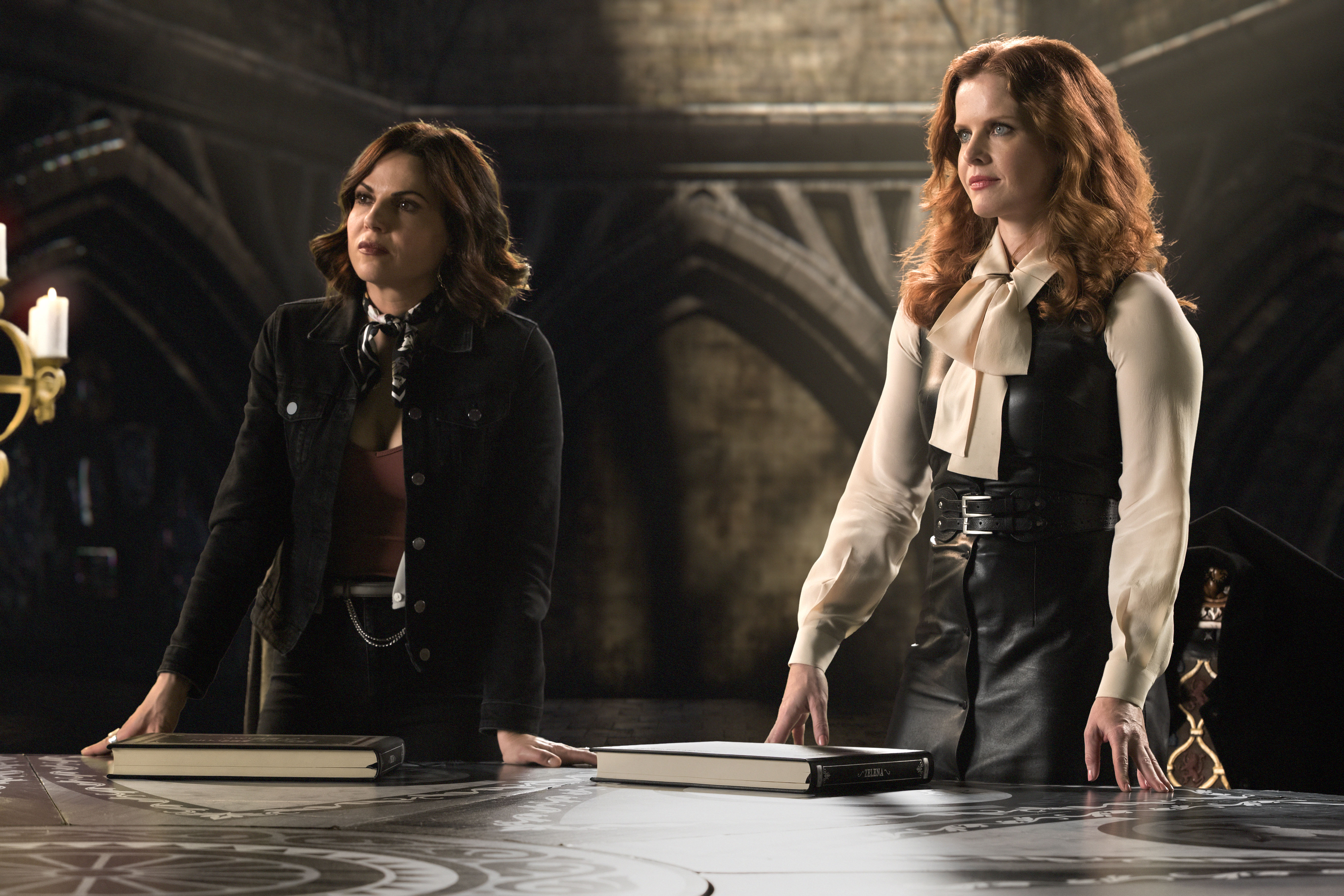
...And The Book Closes 

There's history here; there are memories. Emma crashing Regina's coronation, uttering the same lines Regina first uttered at Snow and Charming's wedding? Touching. One final "Madam Mayor" and "Miss Swan?" Heartwarming. Rumple and Belle dancing like they did after their wedding? Tear inducing. Flashing through the greatest hits of OUAT in flashback form as a message of hope is expounded upon by the show's greatest success story like a preacher at a pulpit? Cheesy to the hilt but completely in the wheelhouse of OUAT. This series finale isn't just about the season, it's about the show. It's about what the show has meant to the fictional characters, to the actors, to the crew, and yes, to the audience. Two episodes ago, Young Henry wrote an essay that was meant to cross the fourth wall and speak to the audience, to tell us that magic exists in storytelling. This episodes feels the same. It's yearning, begging, one final time to touch our hearts and ask that we remember it fondly. I cannot say this is a perfect show. I cannot say that it is without faults. Any hope of me claiming its perfection and its place as one of the greats died along with Neal, but maybe it doesn't need to be perfect and go down as "one of the best" for it to still be something magical and powerful. There are episodes and seasons I'll never watch again in their entirety, but buried inside those seasons are nuggets of something good, and it was only if you stuck with it that you saw them. We never had a season in which I did not find at least one thing to praise and rejoice in. The hilarity of the Shattered Sight curse; the Neal and Emma Underworld moment; Hades and Zelena's delightfully fun romance; the musical episode; Rumple giving up a chance to be with Belle so that Alice would not be trapped in a metaphorical immortal tower. It would be so easy for me to hate on this series finale (because, again, plot nonsense) and maybe in a week I'll feel differently, once the heartache of nostalgia has passed. But I don't think so. I think when I sum up my experience with OUAT someday in the future, I'll say it was weird and complicated and sad and heartbreaking and disappointing but also beautiful and wonderful and effective. And that's what TV shows are designed to be; no show is perfect, not even those that go down as "the greatest of all time." What's more important than absolute perfection is how you affect the audience, what kind of conversations you generate with the power of your media. And generate conversations it did; in these blogs I have discussed archetypes, religion, mythology, feminism, agency, motherhood, depictions of women, rape culture, and everything in between. All of those things and the discussion of them is....weird and complicated and sad and heartbreaking and disappointing but also beautiful and wonderful and effective! We contain multitudes and so does this show. This show isn't perfect but I didn't watch it all the way through because I felt like I had to; I did it because I loved it. I failed to come up with the perfect opening sentence for this blog and now I'm struggling to come up with a perfect closer. What's that old cliche? Ah yes...

And so, Emma Swan, Regina Mills, Snow White, Prince Charming, Henry, Cinderella, and Lucy Mills, Rumplestiltskin, Belle French, Neal Cassidy, Zelena, Alice, Robyn and Captain Hook (yes, even you!)...lived happily ever after. The end.

Miscellaneous Notes on Leaving Storybrooke 

--The first image of the last episode is the clocktower reading 8:15. One last time.

--"Intruders!" This was laugh out loud funny. Good thing Granny had her crossbow handy!

–“Is this a dream?” “Well, if it is, it’s an excellent one.” I never really shipped Outlaw Queen but that was a gorgeous segment.

--“If this is how I have to go out, showing you there are people in the world who love you, no matter what you do…then that’s a worthy end for me.”

--The snowglobe is bigger on the inside!

--I’ll never not love a good dreamcatcher on this show, but I really wish Rumple would remember that he has a dead son  he wants to see again; dreamcatchers will always be tied to Neal (and Emma) so that was a perfect time to throw in a Neal reference.

--Using the Dark Curse and pieces of everyone’s heart to bring all the realms to Storybrooke is…extremely meta and weird and I both hate it and love it?

--Lily’s father was Zorro! The writers get the last laugh here; for years fans have hounded them about this dangling plot thread. Be careful what you wish for, I guess.

--I suppose if I have to comment on it: Baby Hope Swan-Jones. The fact that the writers named the baby Hope is eye-roll inducing. They don’t see that baby as a baby but as a concept. That baby isn’t a person, it’s a giant hammer to beat the audience with one final time.

--“I am the strongest version of us….you don’t do the right thing for a reward. You do it because it’s right.
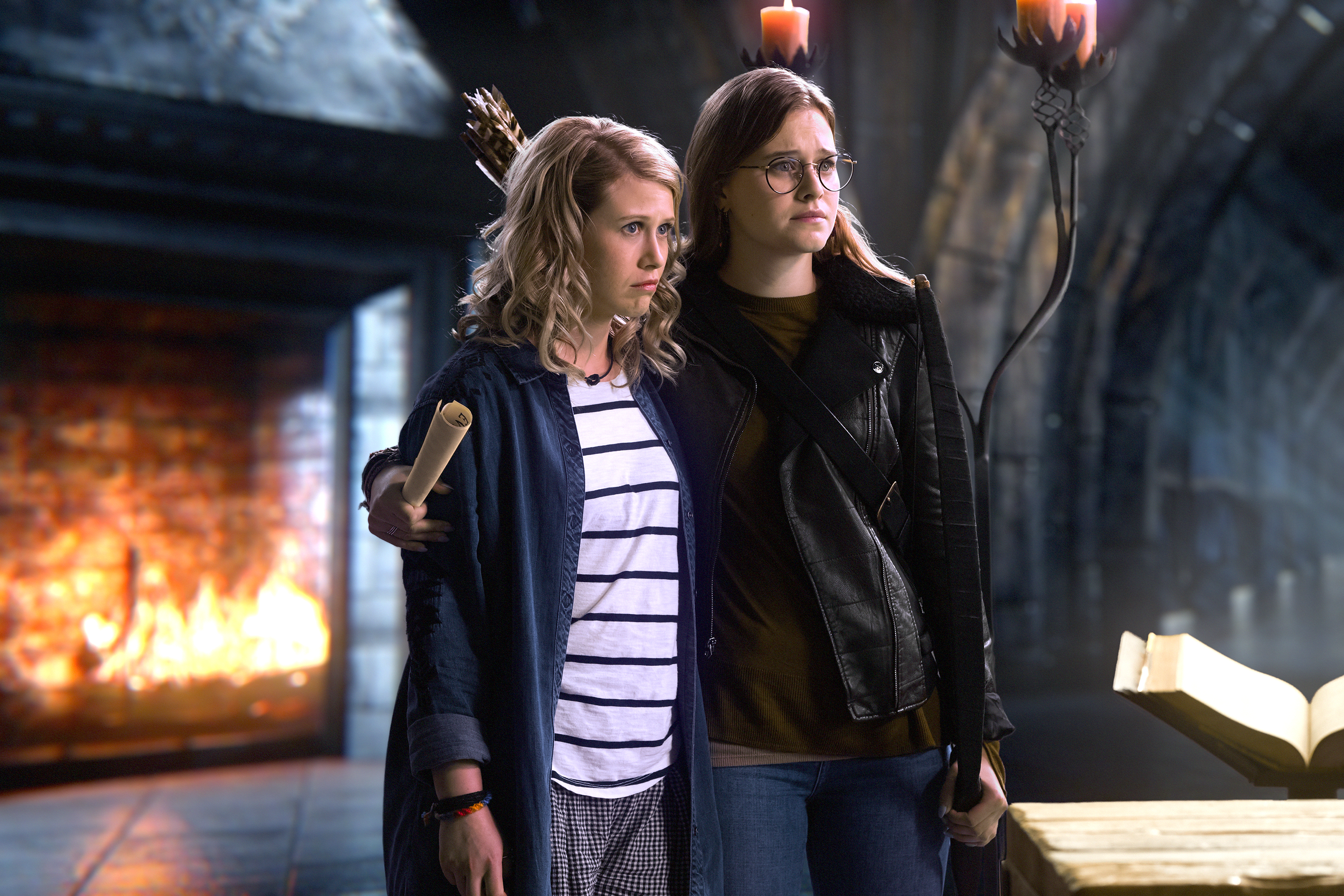
--As is tradition, here are my final thoughts on Season Seven B: Overall it wasn't terrible. That sounds like a backwards compliment but it's not. The issue is narrative bloat. The show was trying to do way too much and have too much plot when it should have focused on the characters. Maybe that's the price for not knowing that the show would be ending when the writing began (I assume) but the stuff that was good--Alice and Robyn, Rumple's redemption, Henry and Regina--was really good. And the stuff that was not good--Facilier, Gothel, Jack/Hansel--was really not good. But that feels...exactly like OUAT.

Final Rating for Season 7B: B

Final episode ranking for Season 7B (from worst to best)

12. Flower Child (7x19)
11. Secret Garden (7x11)
10. Breadcrumbs (7x16)
9. Sisterhood (7x15)
8. A Taste of the Heights (7x12)
7. Homecoming (7x21)
6. Knightfall (7x13)
5. Chosen (7x17)
4. Is This Henry Mills? (7x20)
3. The Girl in the Tower (7x14)
2. The Guardian (7x18)
1. Leaving Storybrooke (7x22)

Saturday, May 12, 2018

In Which I Review Once Upon a Time (7x21)

There's a line from the musical "Hamilton" that has been running through my head all week: "and if we get this right, we're gonna teach them how to say goodbye." I talked about nostalgia a lot last week, about how it was inevitable for OUAT to trot out familiar moments and flashbacks during the last few episodes in order to make the final showing as impactful as possible. This week's episode, the penultimate, "Homecoming" doubles down on this and brings out not only familiar beats and plotlines but also a slew of long gone characters--human and other--in order to give a giant wink and nudge to the audience. At the beginning of this season, I said the only thing OUAT had to do to be successful was be entertaining and that holds true this week, but now it needs a little bit more: it needs to teach me how to say goodbye. I know that, over the years, I've become more critical and harsher but I've been here through it all. Snow Queens and Dark Swans and Hades and personality splitting potions and Black Fairies and genocidal tree nymphs...I've watched and blogged and talked about this show. This is the second to last episode and OUAT needs to not only wrap up their seasonal (and series) long stories but also needs to teach the audience how to say goodbye to the characters and the show itself. And that's what this episode is trying to do, hamfisted though it may be. 


Guess Who's Coming To The Finale?

Name some of your favorite OUAT non-regular characters. I'd wager that the list would include Peter Pan, Cruella de Vil, and Ariel the Little Mermaid. Well, you're in luck because all of those characters show up in this second to last episode. Whether or not they deserve to be there is another story. When these aforementioned characters have shown up in the past, beyond their arc seasons, it wasn't just for show, but rather because the narrative of that season could easily fit them in. Season five, being in the Underworld, had actual dead people running around so it made sense that a deceased Peter Pan and Cruella would show up and harass the family clan. In this episode, the returning characters didn't add much to the storyline except to indulge the audience and show them some fan favorites before the show goes off air forever. Did we really need Peter Pan trapped in stocks or Cruella locked in a dog cage? Was Ariel and her Magical MacGuffin really necessary to the plot (aside, but are Magical MacGuffins ever really necessary?). The answer to all of those questions is a resounding no. The only appearance that actually made a difference plot wise was the Apprentice showing up again, ironic given that no one would catalog the Apprentice as neither a fan favorite nor a character anyone was dying to see again. Don't misunderstand me, though; it's not that it wasn't nice to see Peter, Cruella and Ariel because all of those characters are among my favorites but the writers didn't need them, the plot didn't need them and the only way the writers could even get these characters back was to move the entire show to the Wish Realm (a place that still does not make any sense) and have our family interact with them there. It's sloppy and haphazard (there's the season six word I used so much!) but I guess if it's a way to help the audience say goodbye then that's a point in the returns favor. Putting all that aside, though, there are a few beats of this episode that also return to take us into the final episode (ever!), namely the return of the show's most ambiguous prophecy. I get the feeling that the writers believe that they had resolved the prophecy from the Seer in which Rumple learned that a boy would be his undoing, but because the audience never understood it or could agree on which boy (Henry? Bae? Peter Pan? Gideon?) was Rumple's ultimate undoing, the writers felt okay in bringing the prophecy back into the narrative fold and trying to resolve it once and for all. It puts Henry and his role as the Author at the center of the finale and the idea that it's up to Henry to bring the happy endings back is very in line with one of the major beats of the show. Yes, Emma was the Savior but if Henry hadn't gone to find Emma and beg her to come to Storybrooke, the original curse would never have been broken and the past seven years would be but a dream. The other big return is not a person or a narrative point but rather place: Storybrooke. If we're talking nostalgia, seeing the Storybrooke sign as Alice and Robin drove into the tiny hamlet actually gave me a big jolt in the stomach. How many times have we seen that sign? How many times have conversations and moments and important themes happened around that sign? Round and around, and back home again, to a place where we know we are loved (Don Draper always says it best). Let's end where we began, with a family fighting a complicated villain, trying to restore the happy endings to a bunch of equally complicated fairy tale characters just trying to make their way in this very real world. One last time...we gotta teach them how to say goodbye.

Miscellaneous Notes on Homecoming 

--Nook and Alice talking on the phone but not being able to be any closer was really heartbreaking. I can’t believe there’s a version of Hook I genuinely like and am rooting for.

--"We don’t negotiate with villains! We kick ass and protect the people we love.”

--“I know it’s a bit cluttered; but it’s beach front property.” “All I see is a cave where booze goes to perish.”

--“That is indeed a complicated story. The timelines alone would make one’s head spin.”

--“If it comes in with a built-in Margo, then I’m all in.”

--Tiana’s crisis of personality would be interesting if we had spent any time with her over the last year. She’s been such a background character that I honestly forget she exists half the time. And when did she and Naveen become romantic?

--Horrible CGI dragon is horrible.

--I can't believe next week is the last blog I'll ever write for Once Upon a Time. I've been trying to think through what I want to say in advance and I'm finding it...difficult. 'Till next week, readers.

Saturday, May 5, 2018

In Which I Review Once Upon a Time (7x20)

I knew this was going to happen; I knew there would come a time when OUAT would trot out all the intense family feelings, calling back to the best moments of season one, and hoping nostalgia would be enough to make the audience forget any sort of wonky plot devices and unanswered questions of the current run of episodes. Congratulations, OUAT. It worked. This week's episode "Is This Henry Mills?" is exactly what I've wanted OUAT to be all year. It's character driven, it's full of pain and thoughtful consideration about what this show was and indeed still is to so many people. It's sappy but not in a cringe-worthy way; instead in a way that makes me remember why I stuck with this show even when it was terrible and I wanted to call it quits. At the end of the day, this show isn't about ships or plot twists or dramatic reveals. It's about two mothers who came from different sides of reality (the mundane and the magical) and the good/evil divide but still tried to raise a son in a complicated, often dangerous world. If the first season is about Emma's acceptance of her son and the kind of magic that love brings, then the last season is about that same son turning around and saving his other mother using the life lessons both parents have taught him. It's a love letter to the fraught and complicated but ultimately beautiful Regina and Henry dynamic that keeps the shows broader themes in mind and, surprisingly, sticks the landing. 


It's The Story Of Us

"Scratches are a part of life." This one little line from Regina at the end of the episode could pretty much sum up all the character journeys in OUAT. The heroes, the villains, the in-betweens, so much of the story of OUAT is about the emotional and psychological scars life leaves on the human soul. That sounds depressing but there's a flip side to this; it's what brings us together. Everyone has scratches in their life, moments of deep pain and loss and regret but it's the commonality of those scratches that makes us a community. When the show began seven years ago, Emma was a little lost girl without a home or a community. The people she met in Storybrooke became her tribe, her people. This feeling of loneliness and being untethered is something that united Regina and Emma even when the family drama kept them at odds. It's also something that we find in their son, Henry. I have lamented all season that Henry's motivation for wanting to go out into the world hasn't felt real. No one talks about going out into the world to find their story because they aren't in any book and this kind of language removes a sense of familiarity with the audience when Henry speaks in terms that don't resonate. But there's finally a moment where it all makes more sense: "they didn't accept the real Henry Mills." This line makes it so much clearer how much of a lie Henry would have to live every single day of his life if he ever dared to step outside of the tiny Storybrooke hamlet. This sort of reasoning feels real; it feels familiar because there are lies all of us tell the world and the weight of them burdens us. I can't imagine having to lie about my family, my upbringing, and my earliest experiences every single day of my life but I can imagine how very tiring it would be. Henry wanting to escape that fate, to find a way to build his own community where he could be Henry Mills--the boy kidnapped by Peter Pan, who's father was killed by the Wicked Witch of the West and who's two mothers loved Robin Hood and Captain Hook--and more importantly could be accepted for being Henry Mills. That's really just Henry following in his families footsteps. That's why it's so important that Regina is the mother Henry interacts with the most this season (putting aside Jennifer Morrison's departure); Regina, more than anyone, wanted a community that accepted all parts of her story, where she didn't have to live a lie. Her happy ending wasn't a romance or a romantic partner but instead finding a place in the world where she was accepted. How could Regina not want the same for Henry?

We've seen a lot of growth between Henry and Regina, especially after Emma's story took a more romantic spin in the later seasons. It feels so natural that Henry would look to Regina's own happy ending for what he wanted for himself. Henry message to himself (time travel!) is also a message to Regina that he learned from her. It's about community: "Home isn’t a place; it’s the people in it. And they will always be with you." If I can get ever so slightly sappy here, it's also a message to us, the audience. This story is ending. We have two weeks left and then it's over forever. The writers are having their own fits of nostalgia; they want us to remember the best beats and biggest themes and they are trying to reach out across a TV divide and ask us, one final time, to understand and believe in the message they've tried to convey all along. I'm not saying they've always conveyed it well; there's far too many Neal-sized holes in this story for community and family to ring one hundred percent true. But at the end of this very long road, while not always perfect, that theme of community, of family, is there. It's there when Henry takes a cue from Emma and kisses Regina's forehead to break the curse; it's there when Nook grabs Tilly's hand and Margot follows suit. It's there when Rumple realizes that he needs to help the family he still has left in this world because reuniting with Belle may never happen. People and our often strange, weird, complicated relationships are what make the stories of our lives. It's true for villains; it's true for heroes; it's true for Henry and Regina Mills. And it's true for us.

Miscellaneous Notes on Is This Henry Mills?

--Buckle up tight, everyone. I imagine that those feelings of nostalgia are only going to becoming more and more pronounced in these last two episodes.

--Big round of applause to both Jared Gilmore and to Andrew West for that Henry to Henry phone call. They sold the hell out of it.

--Regina trying to smash Gothel’s head in with a bat is also how I feel about Gothel and her overall plan.

--Robin and Alice are the absolute best thing about this entire season. I actually cheered and fist pumped when they were reunited.

--“You want to ruin me like the world ruined you; I’m not like you. I'm not an outcast, I’m not an orphan or a street rat or some crazy girl who’s lost her way….you chose hate. But I choose love.”

--Regina digging up a grave of a very recently dead woman to get a storybook is all manner of creepy and weird.

--I have no idea how I feel about Wish Rumple as the final villain. I’m worried about the execution because OUAT doesn’t often stick the landing when it does stuff like this, but Rumple wrestling with his demons–facing (literally) the man he was so he can prove that he’s not this kind of Rumple anymore? Sign me up.

--The time travel paradoxes are insane and the show would be better if they just had everyone live in 2045-2050 and make the argument that technology didn’t advance much in 30 years.

--Facilier’s sudden death is so unearned. We know nothing about him or what we wanted or what his connection to Regina is. Everyone from the "Princess and the Frog" fairy tale has been wasted.

--"...But that’s the thing about stories. They’re more than words. They live inside of us. They make us who we are. And as long as someone believes that, there will always be magic."

Saturday, April 28, 2018

In Which I Review Once Upon a Time (7x19)

I have to confess: this week's episode "Flower Child" took a hard left turn in the last few minutes of the show and suddenly everything I thought I wanted to discuss--repetition of villain backstories--went up in a poof of smoke. I guess if the writers are going for broke, you can't do more than presenting the idea that God is an angry woman who's really pissed off at mankind because they killed her whole family and burned her magical grove to the ground because her magic frightened them. Yes, I really just wrote that sentence and to be perfectly honest, I'm still surprised that at the (almost literal) eleventh hour the writers decided that this entire world--this Land Without Magic--is the result of a high school temper tantrum. God as a gardener is a long standing metaphor and given that Gothel has been linked to plants all season, it's not a bad metaphor to explore with her character. But it's a whole other thing to use Gothel as a gardener who wants to exterminate weeds--humans--to create her magic-user exclusive Eden versus making Gothel a literal god who created our entire world. I'm going to try to puzzle this out but the baby and the bathwater and the bathbomb and, hell, the whole damn bathtub just got thrown sideways out of a window. 


God Is A Really Pissed Off Druid 

So, I play a lot of Dungeons and Dragons (cue shocked gasp here) and as someone who is currently playing a Druid, I have a certain amount of appreciation for magic wielding creatures, in a fantasy story--particularly when their magic is rooted in Nature. Nature is often romanticized as something that has a magic all its own, a magic that humans cannot tap into because Nature and Natural magic (capital N because this isn't your standard everyday nature, but a cosmic archetypal Nature) transcends human understanding. Nature is otherworldly, someplace where there are nymphs and dryads and and fairies. Cities, civilizations, and humans stand opposed to this, going through life with an axe or a blowtorch, destroying Nature and its magics for their own selfish reasons--think paving paradise to put in a parking lot. Up until this point, most--if not all--of the villains of OUAT have come from the human side of things. They might have grown up poor and abused, but they grew up in the human world of cities and technology (if low grade technology) and not as a child of Nature. The fact that Gothel is a child of Nature--and indeed is destined to become the Mother of All Magic (magic, which apparently in the OUAT cosmos, derives directly from Nature)--sets her apart from the other villains in OUAT, from Rumple to Regina to Cora to Pan to Zelena and so forth and so on. I do have to appreciate this uniqueness because other parts of her story--the boiler plate parts--are awfully familiar. Gothel wants to be part of a world that she is not particularly meant to be in. In this case, Gothel wants to be a part of the human world. This is perfectly in line with other villains; Rumple wanted to be part of those in power who have control over their lives; Regina wanted nothing to do with her royal lineage instead wanted to be a simple stable girl; Cora wanted a life that was more than just the Miller's Daughter. Villainy in OUAT seems to come down to not being able to accept the life you have and instead wanting a life that is out of your reach. Gothel cannot be part of the human world because she is antithetical to humankind. They are steel and iron and she is dirt, trees, flowers, and roots. In this regard, Gothel's villainy is a shade more interesting than others in the past. Her goal isn't the dagger or revenge on a singular person who denied her the life she wanted, but instead to take back Earth from humanity for Nature. She wants to cover the earth in flowers again and pluck the weedy humans who keep interfering in the universe's garden. It's heady and it's deep and, most importantly, it requires more than just one damn episode of backstory to detail this kind of dynamic. Gothel's family was destroyed as was her home and that's certainly reason for her to move against humanity but I deeply wish it had been a slow destruction, not because of one night in which about five people were mean to teenage Gothel and she went on a mass genocide (and I do mean mass genocide) spree. Because, my dear readers, here's where the episode took a left turn into crazy town.

I'm okay with the idea of Gothel representing Nature and wanting to preserve the magic that is inherent in the natural world, but this episode took this all a bit to far by making her God. Not lower case metaphorical god, but actual "created our world and is responsible for everything in it and why it is the way it is" God. The land of Storybrooke and Hyperion Heights exist in the Land Without Magic; up until now, there's been no explanation for why this land doesn't have magic expect that it just doesn't. Perhaps it was the lack of belief or random chance but it made a certain amount of sense that for as many realms and places in the universe that have magic, there must be at least one place that does not. For how can we truly appreciate magic if its so commonplace and ubiquitous? You need one place that lacks it in order for us to appreciate those that have it. But it turns out that thousands and thousands of years ago, Gothel became so disenchanted with humankind after a chance encounter with one bad seed that she wiped out all of creation (not exaggerating!) and destroyed all the magic that once existed in this now magicless Land and then left for greener pastures, knowing that humankind would evolve back into themselves someday because slimy creatures always find a way. Where do I even begin with how crazy this is? First, humankind might be new in terms of cosmic history but we're a bit older than a few thousand years. Second, I'm all for the idea that God is a woman but does it have to be a woman who became godly after a less than desirable violation of her personhood? And that's the real catch here, right? The idea that God can be vengeful is certainly Biblical but the idea that Gothel became this God-figure after she was humiliated at a party is deeply annoying. And the fact that it was a bunch of petty Regina George type girls who set Gothel down this path? How incredibly offensive to womankind. High school is rough and, yeah, you might get some Carrie White's in a group every so often but the idea that one mean girl can push someone to destroy an entire race, species, and kill all the magic in that world is so utterly bizarre and (not so) borderline misogynistic that it actually, somehow, manages to fit perfectly inside OUAT's less than ideal stance of women as mothers, saints and sinners. Backwards compliment disguised as an insult, but there you have it.


Miscellaneous Notes on Flower Child

--Lucy clearly follows in her father’s footsteps by making really bad choices when it comes to interacting with villains.

--So Henry's cured? It was that simple? What about the 1000s of different types of moss Regina had to study?

--It’s hard to feel sympathy for Gothel when she says stuff like this: “I never would have left you alone in that tower if I knew you have magic.”

--Smurfs. Smurfs everywhere, complete with plastic dollar store butterflies in their hair.

--“The world was cruel to me. And I became cruel too."

--Henry built an entire crazy board–complete with pictures of people–in less than a day. Where’d you get the pictures, Henry?

--Did Lucy really pull out Cinderella’s glass slipper from a paper bag from Granny’s? Why in all of sanity is it there?

--Henry and Jacinda finally kissed but no curse was broken. I find I don't even care.

Saturday, April 21, 2018

In Which I Review Once Upon a Time (7x18)

The mythology of Once Upon a Time has never been on the sturdiest of grounds. Every year, when the writers need to add some spice to their story, they throw in a twist or a new aspect of their previously established mythos. Suddenly, there can be two Dark Ones or suddenly a new magical Macguffin can solve the current problems even if said MacGuffin has never before appeared or been mentioned (this last one is the go-to solution for the writers). Changes in mythology don't have to be terrible, though. There are times when sudden abrupt lefts can work if the actors can sell the material and if the writers can make the complicated mythology secondary to the character beats. For instance, in this week's episode "The Guardian," the Dark One mythology take a bit of a beating (we've never ever heard of a Guardian before this season despite Rumple being the Dark One since the inception of the entire show) but the relationship and dynamic between Rumple and Alice overshadowed the mythology and sold it. This is more than an entertaining episode; it's a rock solid character showcase for one of OUAT's longest and most intricately drawn characters. Well done, show. Well done. 

Heroism Looks Good On You


Sacrifice has always been a narrative thread spun into Rumple's story. Granted, those threads have been complicated by other characteristics like cowardice and hunger for power. Rumple took the dagger to save Baelfire from going to war, but it was also because he desperately wanted power for himself; his situation in life making it impossible for him to have basic control over life and death decisions. Rumple may have killed Peter Pan in order to save Baelfire, Belle, and the town of Storybrooke but it was also a way for him to get the ultimate revenge on the papa who abandoned him as a child. When push comes to shove, Rumple may make sacrifices but there's always an underlying selfish motivation that keeps that sacrifice from being fully pure and, well, good. We see this push and pull in this season; Rumple is desperate to reunite with Belle. It's another common Rumple thread on display--the desperate soul who will do whatever to whomever if it gets him what he wants/needs. Rumple and Alice might be friends and, to his credit, after his time with Belle, reforming himself, it is hard for Rumple to use the shared feelings of longing to be united with the person you love against Alice, but that doesn't mean Rumple won't manipulate Alice. He uses flowery promises of helping cure poisoned Nook to get Alice to go to Facilier and prove that she is the Guardian, whom Rumple has been looking for, a person who can hold on to the Dagger without succumbing to the dark power. That's of a piece with the Rumple we've known for years. The writers have always written Rumple in such a way that the audience can understand his desperation; the most common question posed by Rumple fans has always been, "what wouldn't you do for your child?" But those questions are always complicated by Rumple's selfishness. Here, with Alice, we see that Rumple wants, more than anything, to see Belle again but what stops him isn't his own selfishness, but a unique understanding of what being something so mythological actually means.

Immortality must...suck. Sure, you see empires rise and empires fall but you also give up all hope for normalcy, doomed to spend your life forever alone because everyone--and I do mean everyone--dies. Your mother, your father, your husband, your wife, your children, your friends your enemies, you outlive them all. Rumple has been walking a lonely road for a long time--a road of his own devising, to be sure, and the writers have certainly never tried to portray it otherwise--but it's a road that only he knows. Hooks' immortality was a gift from Neverland and one he could return when he so chose, but Rumple has never been able shake his immortal curse. He knows all too well what watching the people he's love most die before his very eyes feels like. I don't know if it's a choice Rumple would make again (Baelfire would have died at war and Rumple never would have met Belle had he not taken that dagger and become immortal) but it is something he can save Alice from. Alice would have made a great Guardian; she has a sort of purity that's usually reserved for children (which is certainly apt given her childlike demeanor) and even after only knowing her a season, we can believe that Alice would not give into the power of the dagger. But Alice would be giving up a normal life with her father--like Rumple gave up a life with his son--and would be giving up a life with her one true love--like Rumple is trying to get back to. It's this understanding that leads Rumple to making his truest sacrifice; Alice should not be trapped inside another tower, but be free to live a normal, everyday, extraordinary ordinary life. And I think--no, I know--that this sacrifice is something Baelfire and Belle would be proud of. The show likes to hammer home the idea that true love is sacrifice and Rumple just gave us a whole new way to view that.

Miscellaneous Notes on The Guardian 

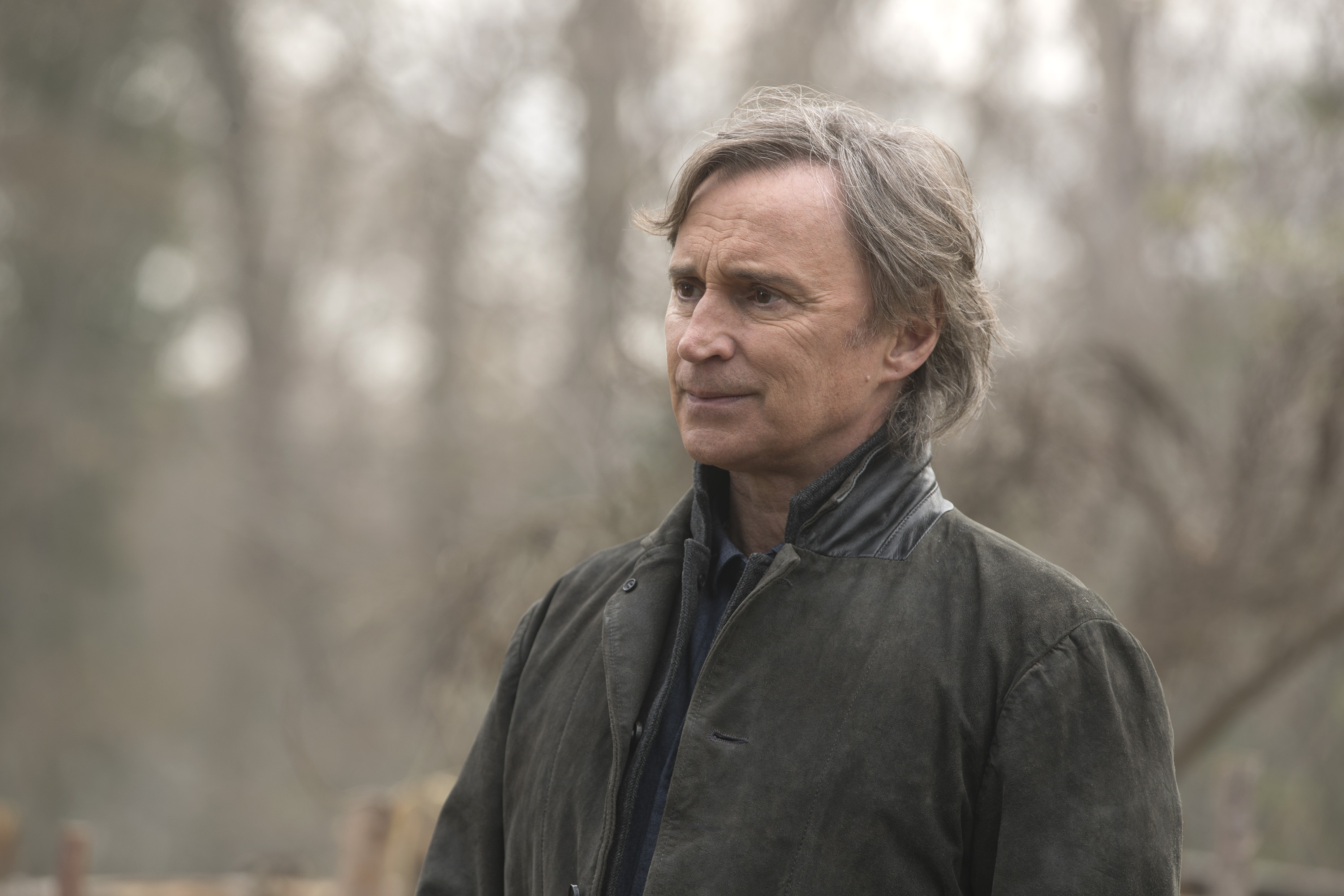
--The writers have certainly put Rumple's character through the wringer over the years but there is no denying that Robert Carlyle has sold every performance, from spinner Rumple to Dark One Rumple to Mr. Gold to Detective Weaver and everything in between.

--Alice’s blue Enchanted Forest cloak is lovely and I adore the larger than necessary bow. It’s very Alice.

--Everything about Margo and Tilly’s date was adorable.

--“Dark One and the Pirate…friends?” “Perhaps it’s time for a new story.”

--Rumple's shrine to Belle is overly ornate and seems to be borrowing things from Mexican culture, an aspect that does not make any sense at all.

--Facilier would have been a fine villain on his own without adding the unnecessary Regina-as-lover complication. Like, what is even the point of this so called fling?

--“All magic comes with a price; guess it was finally my turn to pay.”

Saturday, April 14, 2018

In Which I Review Once Upon a Time (7x17)

Remember what I said a few weeks back about how the main objective of this seventh and final season of OUAT was to simply be entertaining? Well, mission accomplished for this week's episode "Chosen." This isn't to say that the episode didn't have some glaring faults and that it couldn't have been improved upon had the writers actually paced this season properly (more on that in a bit) but what we got was decent. The character beats matched characterizations of the past and the themes stumbled upon at various points in the episode felt like they belonged in OUAT. Happy endings come at strange times and sometimes you need to be hunted down by a serial killer in order to reckon with your own past. And no, the irony that Zelena herself is a serial killer is not lost on me. Readers, can you believe we only have five episodes to go? Forever. Steady as she goes, teetering toward the finish line trying to wrap up all the stories in a neat little bow. 


A Mean Green Killing Machine (But She's Trying)

Let's talk a little bit about bloat. Narratively speaking, this season of OUAT has certainly suffered from it. There are too many characters, too many ideas, too many plot points and none of them feel fully developed to the point where those narrative beats are worthy of our time and attention. I'm not back tracking the faint praise from above; I meant what I said--this episode was mildly entertaining and fits comfortably in with OUAT's overall series. But that doesn't excuse that this episode--and the preceding ones--could have been much better had the writers not wasted so much time on unnecessary bloat at the start of this season. Victoria/Rapunzel/Lady Tremaine has been dead for six episodes now and her death has barely registered in any meaningful way. Her daughter, Drizella, did the typical moment of mourning that this show is known for before focusing back on herself and her sister, Anastasia (another figure, by the way, who could be culled from this narrative and not be missed). It seems as though the writers changed their minds about a third of the way through the first half of this season. Maybe they intended Victoria to play a much bigger role, to be more villainous and to have Mother Gothel be only a side villain but when the Victoria actress fizzled out and the actress playing Gothel showed her skills to be more advanced, everything shifted. Also, in that same regard, I have to wonder if Nick was always Hansel or if he was originally intended to be part of a love triangle; his story shifted when the showrunners learned that OUAT would be ending this year and they couldn't just have him be the male version of season one's Katherine. I say this because there was a moment in this episode where Hansel is describing his friendship with Henry and how it affected him; Henry made Hansel (now called Jack) into a hero after an epic giant fight. It's moving, it's special and it lends a bit of color both to Nick/Jack/Hansel and to the bond between him and Henry, which up until now has been next to nothing. These two men have barely interacted and only now are we hearing that their friendship is so powerful that it gave hope to a lost, scarred man. That's good meaty character development and insight but it was left as an exposition dump in the last seconds of Nick's appearance so again, I have to wonder if it's because of narrative bloat at the beginning of the season. Facilier falls into this category as well. He entered into the field so late in the game as more than a one-off flashback character that now that his plan has been mostly revealed--wake up fairy tale characters who can help him kill Mother Gothel so he can secure the dagger for himself--it feels totally out of left field and as if it should have been a season long arc instead of a five to seven episode arc. Obviously, I am not in the writers room and cannot say for certain if things got shifted at the last second but it sure feels like we've made an abrupt left turn into narrative beats that would be better served being told over a long period of time. I know that sounds like a criticism but it's also a compliment because there's good stuff here: Facilier is more menacing than Rapunzel and I look forward to his eventual on screen interaction with Mother Gothel; the idea of Henry not being able to save his best friend from torment but trying anyway would make for compelling TV viewing because of the audience's predisposition to root for Henry and to care for him. This show got so bloated down in the total bomb of Rapunzel that it missed what could have been a far more compelling story. But, ah, it wouldn't be OUAT if we didn't have a season's worth of potential to talk about.

Miscellaneous Notes on Chosen 

--“I know who you are, Captain.” “It’s Detective.”

--The logo for the Rollin’ Bayou shirts is a lightening bug. Nice “Princess and the Frog” reference.

--“I suppose no matter how far we come, there’s a nasty little piece we can’t lose.” “And we shouldn’t. Because it shows us how far we’ve come, and how much we have to lose.” That’s it. That should be the villain redemption thesis for all the villains. You can’t rid yourself of your darkness because it’s part of you, always; you have to reckon with it.

--Hansel and Gretel are from Oz? Zelena’s Oz? As in Oz of Universe 1.0? How…? Why…? What…?

--I doubt Zelena will be gone for long but what happens when Chad finds out everything--like about her being the Wicked Witch of the West and her tendency to kill munchkins?

--Soooo is Zelena/Ivo pre-Hades, post-Hades? When in this messed up timeline are we??

Saturday, April 7, 2018

In Which I Review Once Upon a Time (7x15 and 7x16)

This is a test. Quick: what are three characteristics of Jack/Nick? Remember, a plot point is not a trait so answering with "Lucy's fake curse dad" isn't a legitimate response. If you can think of one, color me impressed because there is next to nothing that stands out about Jack/Nick. He's not brave, bold, shy, motivated by love or ambition, and is mostly a blank slate that is easily forgotten about the second he's off screen and not interacting with our main cast. This is why making Nick something as plot-important as the Candy Killer (what a horrible name) is a bizarre writing choice. Creating a serial killer can take two routes in television. There's a procedural route in which the killer is only around for an hour of TV and is discussed and analyzed by the other characters in the show; this route is acceptable for episodic TV without larger arcs that only need to churn out single episodes every week with no connection to each other. Second is a more Dexter-like route in which the killer is front and center; the tale is told through his eyes; this lets the audience get to know the killer on his terms and to understand his story as the killer wants to tell it. Both are perfectly acceptable but OUAT is trying for a messy mix of the two and it doesn't work as well. Nick is a procedural killer in that he doesn't get to tell his own story--what we know of his fairy tale character, Hansel, is told to us by his sister, Gretel (which is fairly grievous tv sin, telling not showing)--but the show is also trying to connect Nick to the larger story, to make him a vital part of the mythology but hasn't bothered to develop this now key player. These facts make last week's episode "Sisterhood" and this week's episode "Breadcrumbs" an anticlimactic mess. Why should I care about the big murderer reveal when the writers haven't made me care about or understand the killer? 

Gingerbread Boy

The above complaints about Nick/Jack/Hansel/The Candy Killer (geez, that's an unfortunate amount of identities) can also be applied to other characters in this seventh season. Take, for instance, Anastasia a young witch who was apparently super powerful, super important both mythologically --as a Guardian, but perhaps not THE Guardian--and emotionally as she was connected to two lead characters--Rapunzel and Drizella--but only briefly appeared before being whisked away back home before any weight could be given to her as a character. Likewise, other characters who have graced the story with their presence with more than five seconds of screen time feel wholly underdeveloped and lacking in anything significant. Sabine and Jacinda are both dull and loosely sketched, broadly falling into the female hero category without exploring what that really means to them individually. Henry, Regina and Rumple get a free pass because we've been with them for seven years and we understand them in a way that you would expect after so long together. I will grant that in some cases, the writers are doing a lot of great work in the character department as with Tilly/Alice and Margot/Robin. But when it comes to any characters that are serving in a more plot related manner, the substance is seriously lacking. All of this makes it really hard to actually discuss the episodes on a week to week basis. I'm honestly not sure what the overarching plot of this season is; we have no real hint about Mother Gothel's endgame; Jack/Nick seems wholly dissociated from whatever Gothel's plan is as he is only concerned with his own personal revenge and we're making neither head nor stride toward breaking the curse or finding the real Guardian. If OUAT were a car, we're stuck in neutral, spinning our wheels, hoping someone comes along and pushes us out of the muck. Perhaps worse than all this spinning, though, is the acknowledgment that I don't know how the writers fix this situation with only six episodes to go. There are so many plot threads loosely twisting in the wind right now that if they were to cut them, we would cry foul at the abruptness but to have them spin out and on for another long stretch of time is akin to torture when there are far more pressing and interesting narrative points to sell, like Alice and Robin or reuniting Henry with his family. The writers might be damned if they do and damned if they don't but it's the audience that suffers. This is extremely critical of me, I know, but to end on a positive note: Mad Archer (apparently that's the ship name the fans have given to Alice and Robin...) is a pretty big hit. Sweet, tender, funny, and just a touch mad, the entire season should have been reworked to make them the focus over Henry and Jacinda because that's where the real heart of this year lies. That's a metaphorical rabbit I'd certainly follow down a long and winding hole. But, with OUAT, as we near the end, it is what it is and we're just here to be mildly entertained each week while counting down until curtain call.

Miscellaneous Notes on Sisterhood and Breadcrumbs

--“I’ve got a fresh can of pepper spray we can try together.”

--"I'm here to join your little sewing circle." Ivy gets the best lines and I'm sorry the writers couldn't have figured out a way to keep her around for longer.

--Rumple is still Rumple. He still knows everyone and everything. There’s no explanation for why Rumple knows that Facilier wants his dagger or even who Facilier is except that it’s Rumple. And because they’ve built that into his storyline over 6 yrs, I accept it.

--Gretel making the log explode into candy gumdrops was incredibly stupid but it absolutely made me break into a smile.

--“Every time I do good, it just brings me closer to her [Belle].”

--I don't buy, for one second, the supposed true love romance between Henry and Jacinda. There's something so dull about them. I normally don't harp on the actors and their abilities on OUAT--it must be hard to sell material as lackluster as OUAT can be--but my god was Dania Rameriz woefully miscast in this role.

--“I definitely smell like pork. Let’s never do that again.”

--“Margot with a T” “Targo?

--“I think you’re a lot like your namesake. He was my favorite character.” The writers have butchered the Henry/Rumple grandson/grandpa dynamic over the years but every now and then it shines through and you’re reminded that when Rumple looks at Henry, he must see Baelfire.

--“Do you know how to sail?” “The other you taught me!” Actually, Henry, Neal taught you first but okay.

--“How do you set a trap for Hansel? Look for breadcrumbs?” *camera flashes to Jack’s burn scars.* Subtly is such a lost art form on this show.

Saturday, March 24, 2018

In Which I Review Once Upon a Time (7x14)

Who else remembers the episode "Ruby Slippers"? Or, more accurately, who else remembers how awful the episode "Ruby Slippers" was? The season five episode was OUAT's first foray into an LGBTQ romance after much criticism from both fans and reviewers about the lack of diversity in the show's depiction of love. Little Red Riding Hood and Dorothy of Oz met, had a few conversations, had true love's kiss and then were promptly shipped off to Forgotten Character Island where they were never heard from again. All in all, not a stellar example of a nuanced, careful and considerate love story--LGBTQ or not. I admit to some trepidation with this week's episode "The Girl in the Tower" because I feared that Alice and Robin's love story would follow the same mold: meet cute, one conversation to establish a connection, some sort of proof of true love, and then wham bam thank you ma'am, love story established and summarily dealt with. It turns out the writes might have learned some lessons from the Ruby/Dorothy debacle, put on the proverbial breaks, and eased into a Robin and Alice love story with far more class and consideration than before. Sometimes, these writers can still surprise me. 


Impossible Things

Alice and Robin work together as future lovers for a few different reasons. First and foremost, each character was established as their own person in their own right before ever meeting each other. Though Robin's introduction has been briefer than Alice's, her broad strokes are defined in such a way that we understand her. And in case the audience is really dense, the writers have Robin deliver her own characteristics in exposition (because while the writers can still surprise me, they are--at the end of the day--still OUAT writers). Robin was a classic mean girl but hiding behind her own loneliness and sense of not belonging. Robin collected 'friends' to make her feel better and wanted to escape the confines of Storybrooke, badly. It's more or less typical teenage ennui but at least it feels real. Robin's characterization comes from a relatability that most of us can identify with because it isn't couched in wild fairy tale magic. What teenager doesn't dream of escaping their parents and finding their own life story beyond the walls of their town? This need for freedom and to step outside the norm has been a running through line of this entire season. Henry left Storybrooke for the same reason; Zelena and Robin move to a completely different universe to start over. The show, as a whole, uprooted itself, left its own protective home and tried to find a new story in a new setting. Alice is going through much the same thing; she finally managed to climb out of that tower (er, wished herself a giant to lift her out) and set off and see the world. She has the same ennui as Robin which ties them together, the only difference being that Alice's ennui definitely comes from magic but, if truth be told, I'm more forgiving of this with Alice because her character has been built up slowly since the beginning of the season. Alice is a little bit mad, a little bit unhinged, and a little bit weird, but wouldn't you be if you spent the first seventeen or so years of your life trapped in a single room tower? Where Alice and Robin also work is in what they gain from each other. Alice needs Robin's steady hand and reasoning skills. Alice goes a mile a minute and often gets so caught up in her special form of crazy that she needs someone who can fire an arrow perfectly from a hundred yards away. When Alice is spiraling and thinking herself too mad, Robin is there to pull her back. In reverse, Alice shows Robin what true friendship is, not only between the two of them but also between Alice and her troll/giant friend. Robin has never had any real friends, only the illusion of them. Alice is Robin's first real friend and to have your first real friend at such an old age is both sad and wonderful. All of this works really well to endear the audience to this new pair, but I think where it succeeds the most is that this episode does not, in any way, confirm true love between Alice and Robin. In fact, I think it deliberately goes out of its way to make sure that Alice and Robin end this flashback episode as friends, not lovers. That, more than anything else, is smart. We've been letdown with Henry and Ella; a necklace declared them to be true love, they were married offscreen, and suddenly had a baby, instead of letting a relationship develop organically. It didn't even feel like they were true friends first. But with Alice and Robin we get more development, more time together to see them as friends before they invariably have some sort of true love's kiss or moment. It's nice to be reminded that lovers should always start out as friends and that love takes time; it's not something that is born overnight in the span of a single day and adventure.

Miscellaneous Notes on The Girl in the Tower

--For this particular version of Alice, Hatter is a literal hat and Alice is talking to him. This is both hysterical and not at all surprising.

--“Turns out… I have more than one hair pin!” I love how proud Alice is of that fact and not that she managed to pick a lock.

--Having Emma work with Henry to spy on Regina back in season 1 was okay because in the end Regina would never hurt Henry; however Mr. Samdi doesn’t have the same consideration for Lucy so Regina recruiting her granddaughter to spy on him seems….reckless.

--I need to not find Ivy and Henry compelling because we all know Jacidna/Henry are endgame in spite of the lack of chemistry. But I really did like Ivy apologizing to Henry for everything that Cursed!Henry doesn’t know about yet.

--Alice can wish things into existence. That pretty much points to her being the Guardian, yes?

--I find nothing compelling nor interesting about Regina and Facilier and the reveal of his big plan was more groan worthy than interesting. Shocking…someone wants the Dark One dagger!

Saturday, March 17, 2018

In Which I Review Once Upon a Time (7x13)

If we go by my supposition last week then light, inoffensive entertainment is what we're seeking as we move closer to the series finale of Once Upon a Time. And, without any sort of preamble or caveat, this week's episode "Knightfall" delivered just that. Frothy with just a touch of sweetness that goes down smooth; memorable in that it stands out as the best episode of the three aired so far in this back half, but not so incredible as to become an instant classic or topple the likes of "Manhattan" or "Skin Deep." This episode touches on character traits that make sense--even if Hook is now Nook--which is something I do not often get to applaud with OUAT--and moves the story along at an even pace, setting up more mystery and questions that don't exactly stir me in the way the show used to but do at least keep me thinking and waiting to see what comes next. Light, frothy, and only nine to go....


White Whales

It turns out, much to my surprise and maybe delight, that I have some fairly complicated feelings about Not!Hook (or Nook as I've decided to call him from now on, thanks Zelena). Can you remember back to season two when Hook was introduced? I wasn't impressed, at all. I found him smarmy, gross, and after he left Emma and the princess team of Snow, Mulan and Aurora to die in jail, I was thoroughly done with him. Long time readers will not be surprised that I have a particular dislike for the pirate; I've certainly made no secret of it. But I will confess that the only time I have found Hook interesting or thought that the show was offering up something new and fresh was in the season two finale in which we learned that Hook had been a sort of mentor and father figure to young Baelfire. To our original Hook, Bae was like a son, someone he loved for, cared for, and would have raised in place of Rumple had things not gone sideways. After those two final episodes, it seemed to me that Hook's real story was not just as a smarmy, leather clad Jack Sparrow wannabe, but instead he was another sort of "Wicked Witch." A villain who had an obsessive need to kill another character but found the relationship complicated by way of an offspring. It was hard for Regina to justify killing Snow White when her complicated friendship with Emma and mother-son bond with Henry stood in the way. Baelfire might be Rumple's son but he was also Hook's adopted/step son. Just as the dynamic team of Emma and Henry would bring Snow and Regina back together, so too would Bae bridge the divide between Rumple and Hook. Alas, that did not happen and Rumple and Hook spent most of their time from season three to season six at each others throats, always trying to out do, one up, or just generally harass the other. But, enter season seven in which Hook, the original pirate captain, is replaced by Wish Realm Hook, our Nook. Suddenly the trappings of romance that the audience sat through (read: suffered through) with Emma was no more; instead, the writers needed a way to make Nook palatable to both Hook lovers and Hook haters.

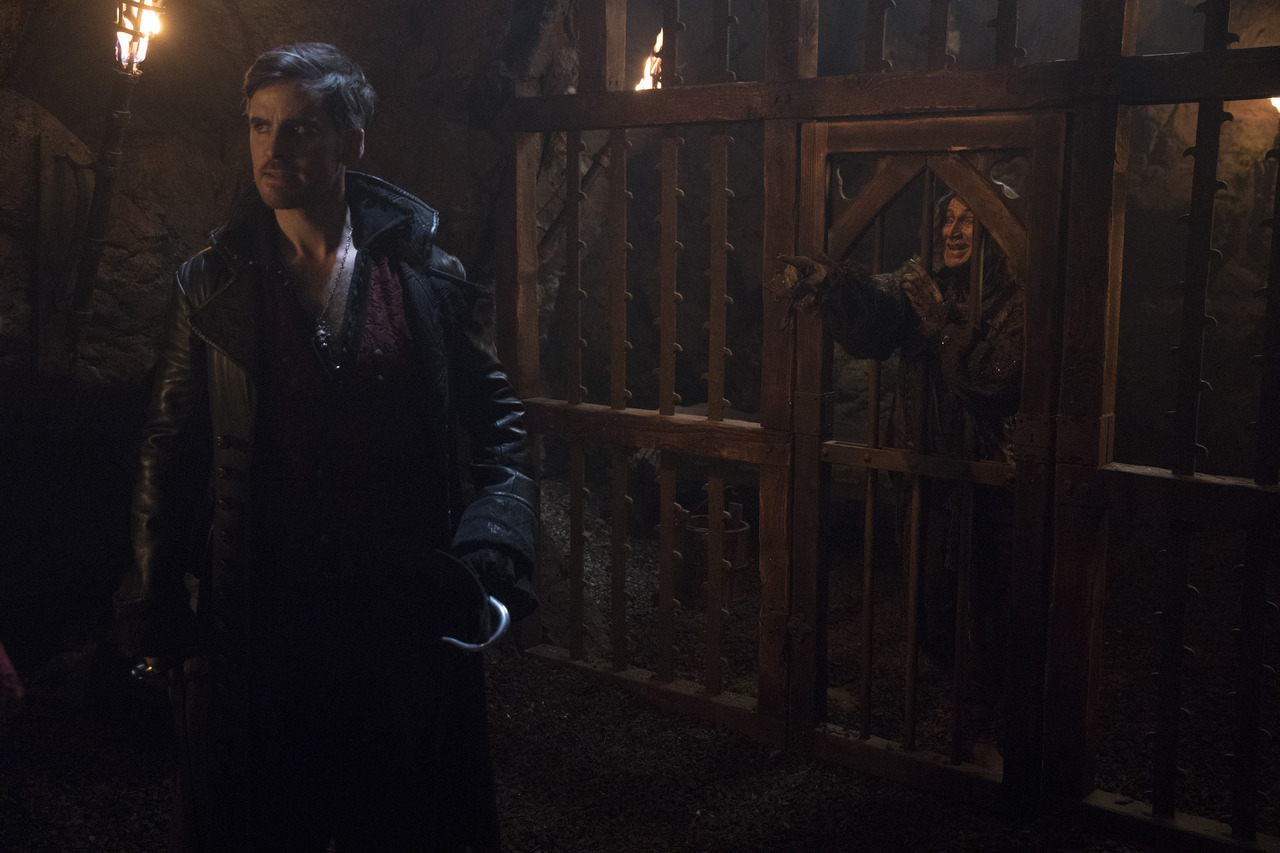
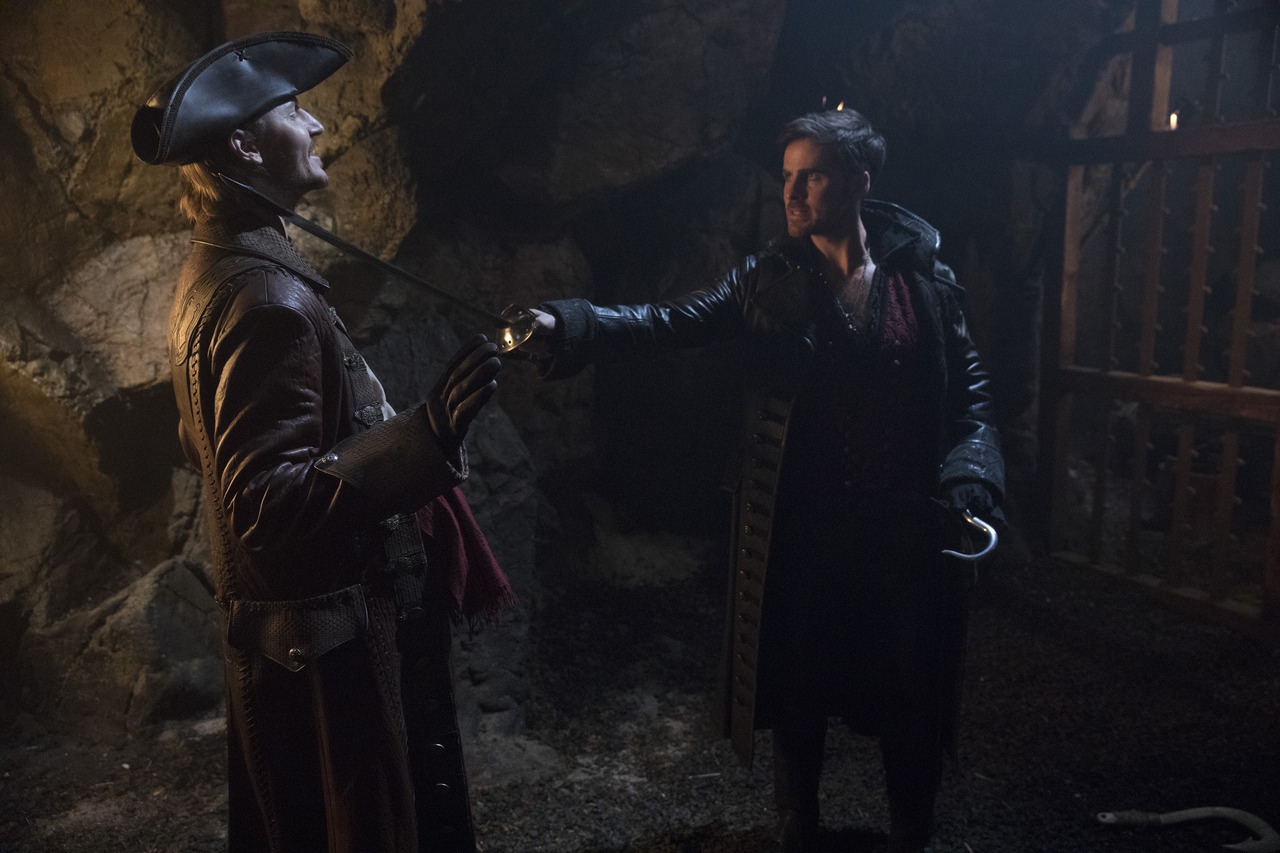
Enter Alice. It's a smart move because it realigns Nook back to his original story of a father trying to make amends to a child (and notice the neat irony in that this time around, it's Rumple who semi-adopted the child in question). It helps give the Hook lovers a new story to follow of their favorite character and it gives Hook haters a break from the never ending romance of Captain Swan and allows Colin O'Donnaghue to play Hook as something other than a love sick puppy. With Nook being taken back to square one, it's also a good time to dig into Nook/Hook's original character flaw, his harmatia, namely his obsessive tendencies to kill the Dark One and to demand satisfaction for his honor. The dual with Captain Ahab was a reminder that when it comes to letting go of pride and insults, Nook had a long way to go, daughter or no. This isn't exactly character building but more character reminding; the audience knows this about Nook because they knew it about Hook. This story is a nice way to remind the audience of that which they already knew while giving new details to Nook's story since it differed to Hook's in the Alice-regard. Sometimes you do not have to say anything brand new for the message to come across; just as Hook missed out on a chance to raise Baelfire because he could not give up his obsession with killing Rumple, so too did Nook miss out on freeing Alice because he would not let a slight about his pirating ways go unanswered. Parallels, this show does love them so.

Miscellaneous Notes on Knightfall 

--Pitting Nook and Ahab against each other was smart; both our fictional Nook and the literary Ahab have a tendency to get obsessive over their “white whales”.

--I simply adore Alice. It's the sign of good writing and good acting when this show can make me wish that a character had shown up in the history of the narrative much earlier.

--As we get closer to the finale, I've begun to make notes of things that I will genuinely miss; first up--Bobby Carlyle's remarkable and entertaining performance as Dark One Rumplestiltskin.

--So Nook lived in the tower without going out and being a pirate for like 10 year but never once did he buy himself some non pirate clothing? Also, how did he have money if he wasn't working or looting as pirates are wont to do?

--Jacinda and Henry have so little chemistry that I actually found myself drawn more to Henry and Ivy and their connection.

–The doll, Beatrice, is creeeeeeepy.

–“Read it? I lived it.” A surprisingly emotional line.

Monday, March 12, 2018

In Which I Review Once Upon a Time (7x12)

What is the best thing Once Upon a Time could do at this point in time as it winds down toward the end? It's no longer about being fresh and exciting and, despite being the end of the road and a propensity for bridge burning, it shouldn't be aiming for offensive television. A happy medium is what is called for; OUAT should strive for boring to light entertainment that avoids making any huge mistakes not only in their ongoing plot but also in the conversation that the show is having with their audience and culture at large. This week's episode, "A Taste of the Heights" manages to hit that boring-but-inoffensive sweet spot. Nothing about this episode is remarkable and it feels like so much filler centering on characters that no large swaths of the audience particularly care about. But at least I don't feel compelled to rage (or praise) anything about this episode. That's the aim of these final episodes of the show and the conversation about whether or not that's actually a good thing can be a conversation of the end of the series but for now, it's enough. 


The Alligator Was Real

We're gonna barrel roll through this episode. Tiana/Sabine has almost no relevance to the larger plot being spun out this season. Her main function is to provide humanity to Jacinda by giving Jacinda/Ella a best friend and character outside of Henry with whom to interact in the Enchanted Forest flashbacks. Tiana is the Ruby to Jacinda's Snow, to put it another way (the big difference, of course, being that Ruby/Little Red Riding Hood was given incredible depth, motivation, and a compelling theme all on her own and that while Ruby's main injection into the show might have been as Snow White's best friend, her own story stood up to scrutiny even when Snow was taken out of the equation. Tiana's story decidedly does not). The much maligned food truck storyline continues apace with Sabine except with several plot speed bumps in the form of a forgotten form (which should have been at the top of the to-do list for either Sabine or with Jacinda) and a man as Drew/Naveen is introduced in both our world and the other world. There's nothing compelling with any of this, either the Hyperion Heights or Enchanted Forest sections. Sabine and Drew apparently have a cursed history that gets laid out in some clunky exposition while and in the flashbacks, Tiana and an incredibly grating Naveen meet, argue, bicker, and then forge a tenuous connection all while hunting a giant alligator (that did not turn out to be Rumplestiltskin in a move that I was genuinely surprised by). Because Tiana has been given almost no development and is as bland as an under-cooked beignets her scenes with Naveen land equally flat because of the aforementioned broadness. Naveen, on the other hand, begins as a hyper masculine hunter who speaks about his powerful enchanted spear only to soften and deliver just enough clunky emotional backstory in order for Tiana to open up and be receptive to him as a man. In other words, it's the cheap way to push a romance that is using the audience's love of Disney instead of an organic development between two Disney inspired characters. Outside of Tiana, there's some other flimflam going on involving Rumple, Nook and the Coven of the Witches. Plus, apparently, Regina and Dr. Facilier have a romantic past despite absolutely no evidence to this at any point in the past six years. This latest development is more of the same misogynistic mindset we've come to crushingly expect in which a woman cannot have any sort of meaningful story without a romantic tie-in and while we can absolutely file that under offensive, it's not a new offense and I'm sad to admit that at this point in the history of the show, I acknowledge it and move on. With ten episodes to go, we're just here to be mildly entertained. Nothing more, nothing less.

Miscellaneous Notes on A Taste of the Heights

--Rollin’ Bayou is a clever name for a food truck. Flamin’ Cajun is not.

--Henry doing a podcast is a modern take on being an author but I kinda hope the voice over doesn’t happen every episode. It would get old quickly.

--I’m glad Rumple is no longer pretending to be cursed with Regina but I wish he’d ask after Henry or Lucy.

--The super heavy and dark cloak Cinderella is wearing in the flashbacks is tragic.

--“My enchanted spear is the only thing powerful enough to kill the beast” (ugh)

--Dr. Facilier, a sorcerer/warlock with powerful otherworldly magics, couldn’t get a necklace swallowed by an actual gator until said creature was dead. The show relies so much on magic until it suddenly needs magic to fail for reasons.

--I still don’t see any chemistry between Jacinda and Henry and still don’t believe they could actually be True Love in the mold of Snow/Charming

Saturday, March 3, 2018

In Which I Review Once Upon a Time (7x11)

Welcome to the beginning of the end. Writing about this series, knowing full well that we've reached its conclusion, is a brand new feeling. With the exception of my beloved Mad Men, I've never blogged a show until the end all while knowing ahead of time that the end was coming (but comparing the narrative neatness of Mad Men to the whatever-they-want-to-call it of OUAT is like comparing a dog to a tree; both exist on planet Earth and are made of molecules and that is all). This week's episode "Secret Garden" picks up right where we left off three months ago and the story involving a coven of witches led by Mother Gothel will carry us through to the end. It's a shame, then, that the episode is as poor as its predecessors. It was hard for me to pinpoint exactly what was missing in the first half of the season but it's still missing now that we've rejoined out regularly scheduled program and because of that it's still difficult to discuss this show outside of what must read as full on criticism. But we've only got eleven to go so we might as well just hunker down and do it. 


Daughters and Mothers Who Love Them

In case you missed, the big neon colored theme that keeps hitting you upside the head in this week's episode is mothers and daughters. There's the good if flawed relationship of Zelena and daughter Robin (Robyn? I know it's really spelled with the "i" but the "y" makes it a nice way to distinguish from her father). There's the flawed but on-the-mend relationship of Rapunzel and Drizella and there's the highly toxic, no good, really horrible mother/daughter duo of Mother Gothel and her newest victim, Anastasia. These are beats the show has hit on before with Emma and Snow, Regina and Snow, and Regina/Zelena and Cora. If the writers can find a way to make their plot about mothers and daughters, they do it; it, of course, is rather problematic given that the main writers and show runners are male and have idealized or romanticized motherhood as a path to salvation and redemption for any fallen female. This sanctification of motherhood has been a tricky subject for a long while on OUAT because of the antiquated and, frankly, misogynistic overtones given to any mothers. That is, of course, not to say that motherhood isn't a powerful force or a mother's love isn't almost otherworldly at times--my own mother would, no doubt, step in front of a train for me--but the writers only write about motherhood in black and white terms. When a woman falls from grace and becomes evil, it's usually at the rejection of her own mother or rejection of her child in pursuit of her own goals. When it's time for that woman to come back into the heavenly fold and be redeemed, it's through the love she bears her child. Relationships are far more complicated that evil equals bad parent and good equals good parent. Zelena and Robyn's relationship for instance should be filled with all sort of drama; not only is Zelena being too cautious in letting her daughter try to discover herself through magic (and we can pause here to discuss the overt metaphor of magic as Robyn's own eventual bisexuality/lesbianism) but Robyn's mere conception should be a subject that weighs heavily between the pair. Zelena raped Robin Hood, Robyn's father, and the fact that this doesn't create any sort of tension or unease between the two during their mother/daughter fallout in the Enchanted Forest is a waste of good, meaty, character building story. But that is also of apiece with how the writers have crafted this season. There is potential for good story in Rapunzel and Drizella; a mother who was so busy looking after the one daughter she thought loved her, that she failed to notice that she was shoving away her other daughter who also loved her. That's an interesting dynamic to explore; one cannot deny the complexity in a young Drizella trying to navigate her own familial situation in which her mother, Rapunzel, abandoned her--though not strictly by her own choice--only to return once Drizella had grown to love her step mother. Likewise, Rapunzel's post-traumatic stress of being held captive for years on end must be compounded by the notion that she was a captive of a different sort, the first wife who was no longer welcome into the family. Instead, the writers skipped over this human story and waited until the last second to have Rapunzel realize that she still loved Drizella, only moments before she decided to offer herself up as a sacrifice. Again, a bad woman is made right by way of motherhood. Rapunzel's death felt wholly unearned and only occurred after Drizella told her mother a rather sad story about who really lit the lanterns at night (or something, I readily admit that I lost focus during most of Rapunzel's scenes, so lacking in screen presence is Anwar in this role).

The only other mother relationship on display this week is that of Mother Gothel and Anastasia and there is no higher analysis to be done here. I mean, at one point Gothel actually puts Anastasia in a closet and then wipes her memory of almost draining the life from her. Gothel's motherhood motif is further complicated by the fact that she is Alice's true mother but seems not to care one jot about her wayward daughter. Because the writers like their parallels, I'm sure we'll witness Gothel's heroic attempt to right herself by way of Alice before the season (series) is over. But the larger point of this is the tiredness that OUAT is showing. If the narrative beats are the same, so is the conversation that I'm having with the show. This isn't the first time I've tried to point out the old fashioned approach to motherhood; nor, I'm sure will it be the last. The cracks of the show have been on display for a good long while but never before has the show felt so old. That is not a criticism, honest. Seven years is more than a lot of shows get and when it was good, it was exceptional. Now, however, we're staring down the last eleven episodes ever and there's an immense relief that washes over me, knowing that the end is in sight. Perhaps that is mean or cruel and I don't want to take away anyone's experience or sadness at the loss of this program, but for this tired blogger--who's cracks are also beginning to show--it's finally time to close this book and end the fairy tale.

Miscellaneous Notes on Secret Garden

--I know I’m a broken record but what is up with this nonsense timeline? How is Robyn a late teen in SB “years ago.” I legitimately do not understand.

--“You’re a believer Henry, even if you don’t know it."

--Nook! LOL that’s a good one.

--Love the Haunted Mansion shout out with Madame Leota, incorporating the voice over of the ride. Plus the Disney-sized wink that Memento Mori is the name of the gift shop outside of the Haunted Mansion ride!

--The fact that I’m relieved at minimal Jacinda in this episode is a sign of how terrible the writing/acting of this character have been.

--I don’t know how I feel about them waking up Lucy this early. The threat was never real (please, they’d never kill Lucy nor Henry) but now it feels like a waste of a good story.

--The high heel hit in just the right spot on the rope lever on the first try. *rolls eyes* Honestly, with an arm like that, Victoria should have played in the major leagues.

Saturday, December 16, 2017

In Which I Review Once Upon a Time (7x9 and 7x10)

Yeah, I skipped reviewing last week's episode "One Single Tear." I realized, sitting in my living room watching it, that I had very little to say for a proper review. At least, very little that wasn't a series of critical questions involving poorly defined character motivations and feelings. The plot was mined from previous characters and the internal emotional struggles--which would have made the story not only more interesting but also helped with an audience only loosely invested in some of these characters--were lacking. In the end, instead of subjecting my readers and myself to a tortuously slow and meandering review, I skipped it and decided to do a two-for-one encompassing the fall finale, "The Eighth Witch." In hindsight, this was the right decision because two highly negative reviews in a row would have been exhausting. I began this year asking one question: is the continuation of OUAT through a reboot worth it? At winter's end, I believe I finally arrived at answer after changing my mind almost weekly. 

No. 


Gone Girl

Magic has once again been ripped from the Enchanted Forest. Sure, it's not the Enchanted Forest you know and remember from seasons past but these aren't the characters you know and remember; it's not the Curse you know and remember and it's not the show you know and remember. In other words, it's poetic that as magic is being removed once again from the make believe fantasy world of Once Upon a Time, the audience is getting a nice hefty reminder that the magic--television magic--has also fled. What would make this season of OUAT successful? That's the question I posed in most of my reviews, trying to figure out how much newness this show could withstand while also grappling with the question of how much nostalgia to hold on to. It's a precarious balance and I certainly didn't envy the writers the task. When a show has gone through as much change as Once Upon a Time has, trying once again to reinvent the wheel will usually only yield a very sloppy wheel. For example, you have original Once Upon a Time, which I denote as seasons one through the first half of three. The characters were well developed, logical, and the mythology made enough sense to allow the audience to keep abreast of new developments but also to theorize and try their hand at detective work (ie: who is Baelfire?) Original Once Upon a Time was like sitting down to read your favorite fairy tale only to discover that it had been upgraded to an adult fanfiction of the highest caliber. After the original came Secondary Once Upon a Time which stretches from the second half of season three to the end of season six. This is the era in which the characters stopped making sense, the storylines began focusing more on the villains and their redemption at the expense of the heroes, and the mythology became sketchy, unclear, and altogether unknowable. This was like sitting down to read your favorite fairy tale only to discover that a three year old had gone over it in Sharpie marker, replacing key points with poop emojis. Readable? Yes. Enjoyable? Less so. Now we have Tertiary Once Upon a Time, a story that I don't even know how to quantify yet. What exactly is this seventh season? Yes, parts of it are interesting and there's some really good work happening with the likes of Alice and Drizella, two characters who would easily blend into the Original OUAT but those two alone aren't enough to save what is ultimately a poor story. I hate discussing plot. I'd much rather talk about archetypes, themes, religion, character motivation, ect but I have to at least pause here and try to puzzle out the plot of this year so that I might touch upon those other ideas.

If I understand this correctly--and to be honest, I'm not sure I do--Gothel manipulated Drizella (having met her at some heretofore unmentioned time) and convinced her that there was a prophecy (is the prophecy real or made up to manipulate Drizella?) that the Curse (the Dark Curse? It's unclear) must be cast eight years after Lucy was born. Lucy, who by the way, more or less sprung from the head of Henry because the last time I checked, Henry and Ella has simply shared a kiss because a necklace told them to. They were nowhere near marriage nor sex. Gothel did this because, in the end, she wanted Anastasia--whom she believes is the Eighth Witch--for the Coven of Eight, which is an altogether stupid name to give a coven if you only have seven members. Somewhere along the way, Zelena and her daughter moved to the New Enchanted Forest; Tiana became a Queen; Tremaine joined the ranks of Henry and the heroes; Alice left her tower and Rumple became a stark raving loon. I can already head my readers crying "those stories are going to be told in the second half of the season!" and I'm sure we'll get answers to some of these stories when the show returns but none of the big plot--the casting of the curse, the reveal of Gothel as the Big Bad, Drizella's betrayal by Gothel, Rapunzel's dislike for her eldest child, or even something as simple as Henry and Ella's love story--felt like it was developed organically and in a way that made sense. The writers no longer write arcs; they write a beginning and an end and instead of trying to figure out the middle at the same time, they simply ensure that they reach their end come hook or crook. For example, they need Lucy to be born of Henry and Ella so they ensure that the audience knows they are true love, not through deeds and steady character development but because of a plot device necklace and then as soon as the audience blinks from that moment, boom! Henry and Ella have a child. The writers need a curse to be cast so they can have their new characters in the city of Hyperion Heights, so they come up with a Curse that resembles the Dark Curse except it's clearly not but instead of explaining the Curse and how it works, they simply have Regina cast it, hoping the nostalgia factor from Original Once Upon a Time is enough to keep us from questioning anything. It's not like this is new information, though, to be fair. The writers have often used the first half of a season to spin their wheels, building huge questions that they likely don't have an answer to yet, not until the second half. That's why the first half of an arc falls short when compared to the second, at least in my opinion (Queens of Darkness was better told than Frozen; Hades was superior to Camelot; The Black Fairy outshone The Evil Queen).

If it sounds like I, too, am spinning my wheels that's because I am. I don't know how to discuss this winter finale except to say that I hated it. There's nothing interesting to talk about. Will Regina end up finding a way to save both Henry and Lucy? Of course she will. The writers aren't going to kill either one. Will Gothel be taken down by season's end, with her plans foiled and Anastasia somehow returned to innocence? Yup, and I'll place a lot of money on all of that happening because of some MacGuffin that no one has ever heard about. Will Gothel likely get some sort of sob story? Probably and if history is any indication, it'll somehow revolve around how she was either rejected by her own mother or rejected by a man. In my season premiere review, I put forth the idea that Henry and Lucy's story is a clear reminder of Emma and Henry and that this was actually a smart move because of the circular nature of stories and archetypes in general and overall this argument still stands. This is only the middle of Henry's hero's journey in which he battles against the forces of death and chaos. I don't mind that sort of repetitive nature when it's in service of a broader statement about the nature of storytelling. Of course Henry's story is almost beat for beat the same as Emma's except for a few twists. But what bothers me is how haphazard (there's the famous key word from season six!) the actual plot-story is. The emotional journeys of Henry, Regina/Roni, and Rumple are bearable and in some cases enjoyable ("Beauty" being the best episode of the season and one of the best episodes the show has done in a good long while). But when too much plot that is too poorly executed and explained gets in the way, it's hard to be invested in those emotional stories. This is my truly round about way of saying that if the question on my mind for the past ten episodes was "is this worth it" my answer is a resounding no, which is a change from my initial maybe at the start of the year. Like Lucy, I guess I just don't believe anymore.

Miscellaneous Notes on One Single Tear and The Eighth Witch

--I'm sorry if this review doesn't actually discuss the episodes in question much. I'm slowly beginning to question my resolution to see this show through to the very end. Or at least to blog every single episode.

--“Right. Well, I’m not here to discuss timelines.” In other words, the writers would really like for us all to stop questioning how their world works and simply take it for what it is: under developed and at the whims of an external force.

--Why would you keep the frozen statue form of the woman who threatened to curse you inside your house on display?

--It’s pretty obvious that Alice and Robyn are going to be serious love interests. They can bond over the fact that their mothers raped their fathers in order to conceive them. (gags)

--Welcome back Zelena, I guess? I get what the writers are going for making Zelena engaged and having her choose her family over her life as Kelly but sometimes the writers take the whole “family over everything” throughline too far. Like, Kelly’s fiancee is her family too and Zelena even says she still loves him!

--The Eighth Ingredient is the never before heard of magic from a witch who crushed the heart of the thing she loves most. Good LORD. That’s the most oddly specific and dumb plot device since “blood of a man who’s been to hell and back.”

--Why should I even care about how powerful Anastasia is?. We literally just met her! And why is she even this powerful?

--Plot Device Battle: which is dumber? The magic from a witch who crushed the heart of the thing she loves most OR a white elephant that helps you remember your most important relationship?

--I usually review the arc as a whole during this winter finale wrap up but if my above review doesn't tell you all you need to know then I don't think another paragraph will do it. Needless to say, there are bright spots (Rumple and Belle's episode, Roni, Alice, and Drizella) but the overwhelming negatives outweigh all the good. The season continues the writers trend of biting off more than they can chew and not actually letting plots unfold at a steady pace leaving room for emotional growth and audience attachment.

Final Episode Ranking for S7A (lowest to highest)

10. The Eighth Witch (7x10)
9. A Pirate's Life (7x2)
8. Pretty In Blue (7x8)
7. Greenbacks (7x5)
6. One Little Tear (7x9)
5. The Garden of Forking Paths (7x3)
4. Eloise Gardener (7x7)
3. Hyperion Heights (7x1)
2. Wake Up Call (7x6)
1. Beauty (7x4)

Final Grade for S7A: C/C-

See you all in March!